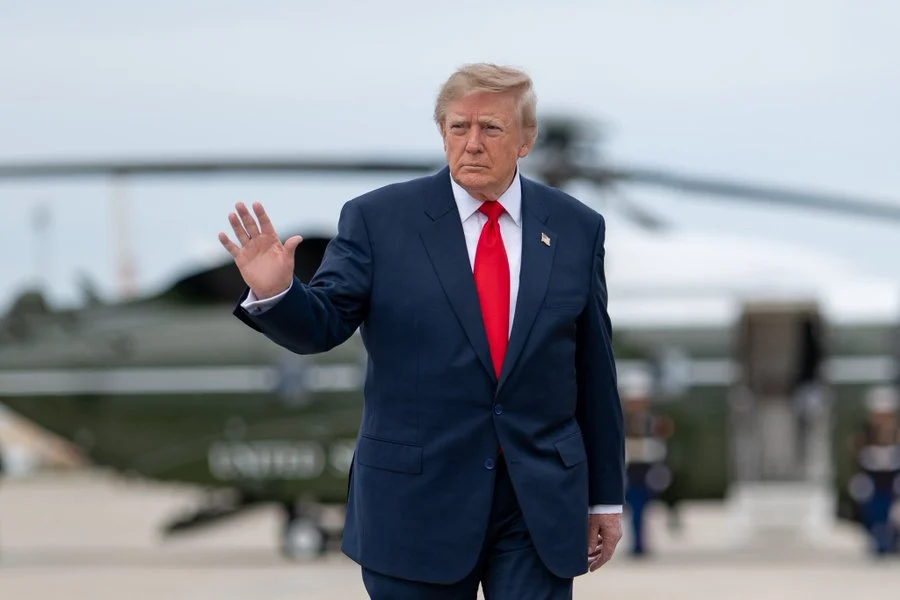
The outcome of the November 3, 2026, United States midterm elections could significantly shape President Donald Trump’s final two years in the White House, as Democrats seek to wrest control of Congress from the Republican Party. According to a report by BBC News, both chambers of Congress—the House of Representatives and the Senate—are currently controlled by Republicans, giving Trump’s administration greater room to advance its legislative agenda. However, a Democratic takeover of either chamber could alter the political balance in Washington, making it more difficult for the president to secure legislative victories and potentially exposing his administration to increased scrutiny. The elections will determine all 435 seats in the House, alongside 35 Senate seats, with closely contested races expected to play a decisive role in determining which party controls the legislature.The House of Representatives is considered a major battleground because Republicans hold only a narrow majority. The BBC, citing the Cook Political Report, identified 21 competitive House districts, 15 of which are currently represented by Republicans. Democrats are seeking enough victories in these districts and other competitive constituencies to regain control of the chamber. The Senate contest presents a separate challenge, with Republicans holding 53 seats, compared with 45 Democrats and two independents who generally vote with them. Seven Senate races have been classified as toss-ups, including contests in Michigan, Alaska, Iowa, Ohio and Texas. In Texas, Democrat James Talarico is challenging Republican Ken Paxton in a closely watched race that could have implications for the balance of power. The outcome of these contests will determine whether Republicans retain their congressional majorities or Democrats gain greater influence over federal lawmaking.If Democrats take control of one or both chambers, Trump could face more obstacles in passing legislation, while congressional committees could launch investigations into his administration and use subpoena powers to demand documents or testimony. A Democratic-controlled Senate could also complicate the confirmation of presidential nominees, including federal judges and senior administration officials, while control of the House would give Democrats greater authority over investigations and legislative priorities. Such a shift would not remove Trump from office or automatically halt his executive actions, as the president would retain significant constitutional powers, including the ability to veto legislation. However, divided government could produce greater political confrontation and legislative gridlock during the remainder of his term. With economic concerns, public approval and foreign policy among the issues shaping the campaign, the November elections are expected to determine the extent of congressional support Trump can rely on during his final two years in office.