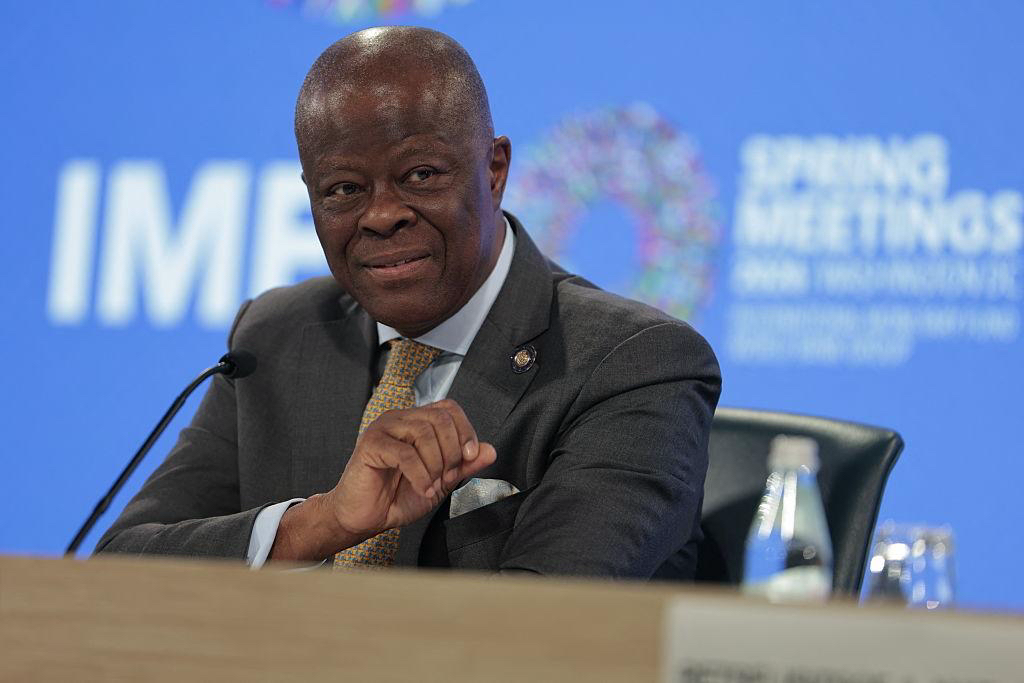
Nigeria’s Minister of Finance and Coordinating Minister of the Economy, Taiwo Oyedele, has warned that the growing cost of servicing public debt is becoming a major obstacle to economic growth in developing countries, particularly across Africa.
Oyedele made the remarks on Tuesday, October 13, while speaking during the 2026 annual meetings of the International Monetary Fund (IMF) and the World Bank in Bangkok, Thailand. He spoke in his capacity as chair of the Group of 24 (G24), an organisation representing developing economies on international monetary and development issues.
According to Reuters, Oyedele said developing countries were facing not only high levels of public debt but also increasingly expensive borrowing costs. He highlighted estimates indicating that developing economies pay approximately $500 billion more in debt-servicing costs than developed countries.
The warning comes as governments across the developing world struggle to balance debt repayments with the need to invest in infrastructure, healthcare, education, electricity, agriculture and job creation.
Debt servicing refers to the money governments spend repaying borrowed funds and paying interest to lenders. When these payments consume a large portion of public revenue, governments have less money available for essential services and development projects.
For Nigeria, the issue remains particularly important because interest payments take up a substantial share of government revenue. Money spent servicing existing debts cannot simultaneously be used to build roads, improve public hospitals, support small businesses or expand educational opportunities.
Oyedele said the situation had become more difficult because of international economic pressures, including supply disruptions linked to the ongoing conflict in the Middle East, rising food prices associated with extreme weather risks and higher borrowing costs.
These pressures can affect developing countries in several ways. Higher global food prices can increase the cost of importing essential goods, while disruptions to energy supplies can raise transportation and production expenses. At the same time, expensive international borrowing makes it more difficult for governments to secure affordable financing.
The G24 is calling for the IMF and World Bank to provide more accessible and affordable financing to vulnerable economies. Such support could help countries manage their financial obligations while maintaining investments needed for long-term economic development.
The discussions also raised concerns about the possibility that the rapid adoption of artificial intelligence could widen the gap between developed and developing countries. Economies without reliable electricity, adequate digital infrastructure and sufficient data-centre capacity could struggle to benefit fully from new technologies.
For Nigeria, the implications extend beyond government finances. Expensive borrowing can affect businesses seeking loans to expand their operations, while inadequate public investment can slow the creation of jobs and the improvement of essential services.
The warning highlights the importance of managing public debt responsibly, improving government revenue and ensuring borrowed funds support projects capable of delivering lasting economic benefits.
As the IMF and World Bank meetings continue, developing countries are expected to press for reforms that make international financing more accessible and responsive to their economic challenges.
The central concern is whether countries facing mounting debt obligations can secure enough financial support to protect their economies, sustain development programmes and improve living conditions for their citizens.