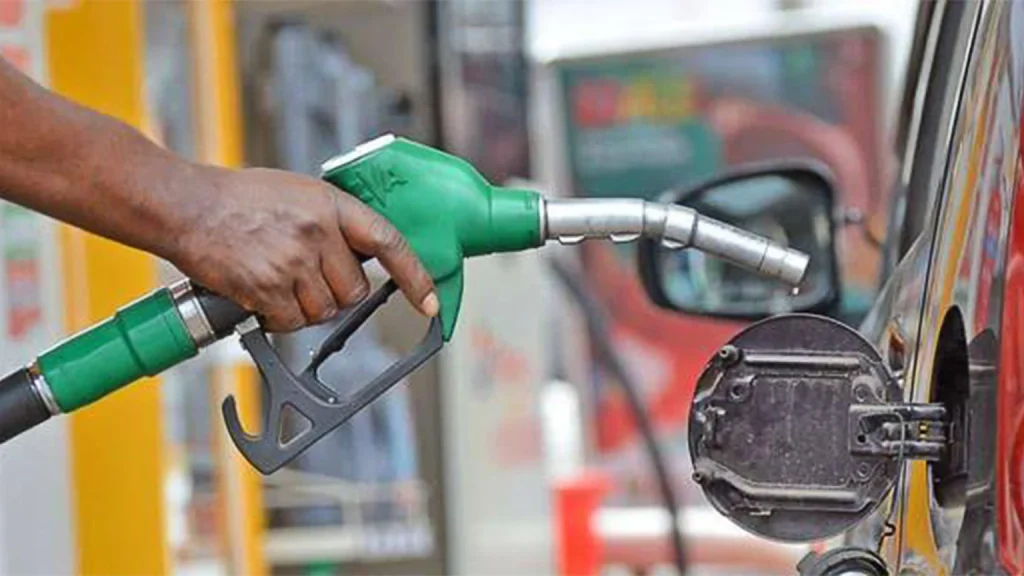
The Federal Government’s plan to introduce a 30-day petrol discount through Nigerian National Petroleum Company Limited (NNPC) retail stations has attracted criticism from opposition figures and political groups, who question whether the temporary intervention will provide meaningful relief to Nigerians. Former Vice President Atiku Abubakar, the Obidient Movement and the Nigeria Democratic Congress (NDC) are among those who have rejected the initiative, describing it as inadequate in addressing the persistent rise in fuel prices, transportation costs and the general cost of living. The announcement came after Finance Minister Taiwo Oyedele disclosed that NNPC would temporarily forgo its retail profit margin and sell petrol at cost, with public transport operators receiving priority. The Presidency has maintained that the measure is not a return to the fuel subsidy regime abolished in May 2023.Atiku described the intervention as a publicity-driven measure that would offer only temporary relief, questioning what would happen when the 30-day period expires. He argued that Nigerians would continue to face high petrol prices, expensive transportation and rising food costs unless the government introduced sustainable solutions. The NDC also criticised the policy, calling it inadequate and questioning whether limiting the discount to NNPC outlets would provide sufficient access for the country’s large population. The party further warned that the arrangement could cause overcrowding at participating filling stations and accused the government of attempting to reintroduce fuel subsidy indirectly. The Obidient Movement similarly questioned why the administration had taken several years after subsidy removal to introduce the measure.The government, however, insists that the initiative is designed to cushion the impact of rising global crude oil prices without reinstating a blanket subsidy. Alongside the discount, officials are pursuing a proposed ₦1,350-per-litre ceiling on petrol’s ex-gantry or landing cost, under which refiners and importers would absorb temporary increases and recover the difference when market conditions improve. The proposal has also drawn scrutiny from labour and energy-sector figures, including Trade Union Congress President Festus Osifo, who argued that price-capping arrangements could amount to a form of subsidy depending on how the costs are handled. The debate has therefore centred on the intervention’s funding, transparency, reach and sustainability, with critics demanding longer-term measures to reduce the burden of fuel prices on households and businesses.