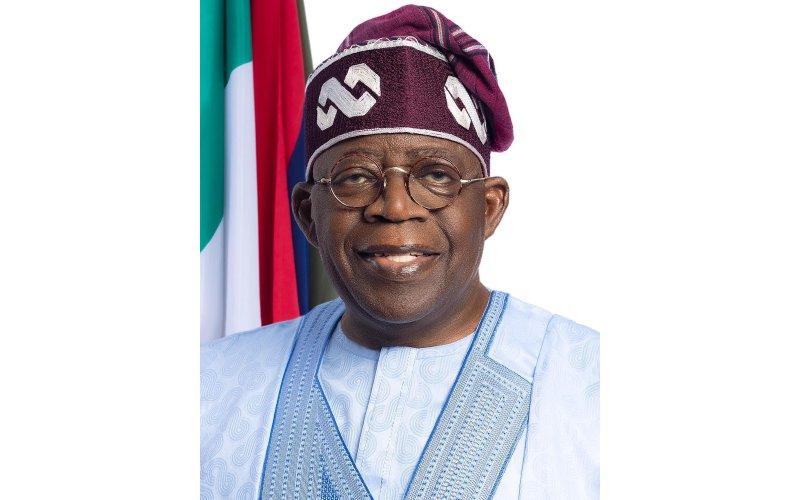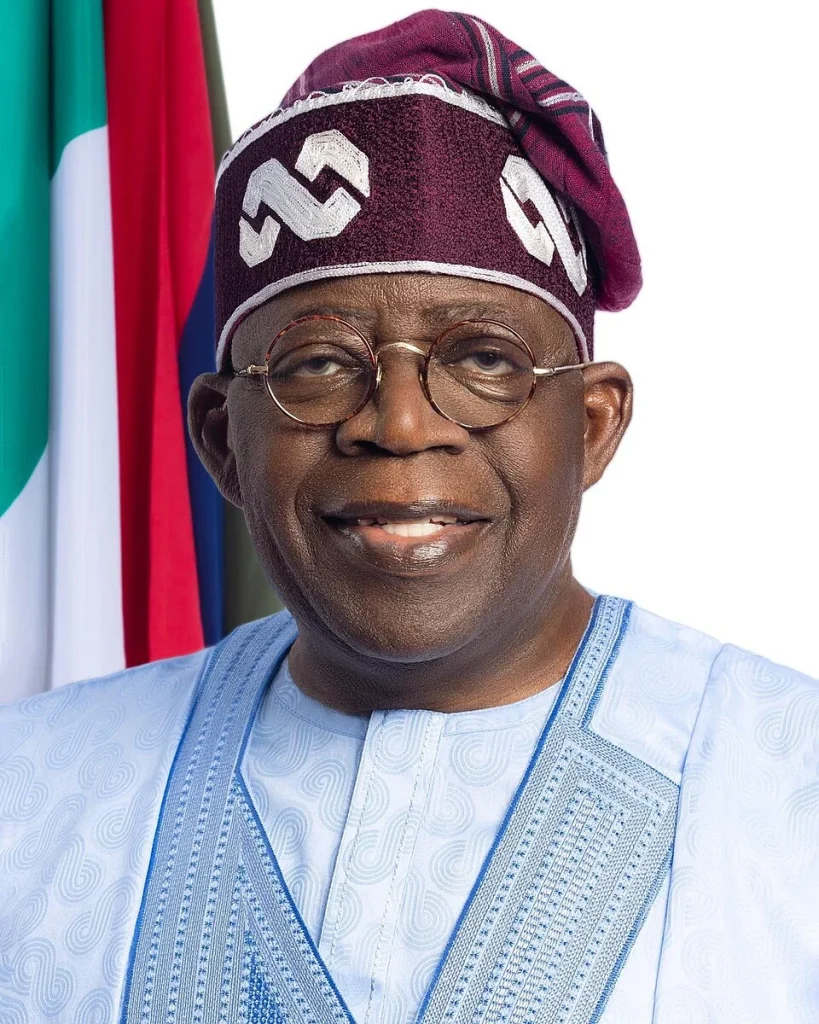
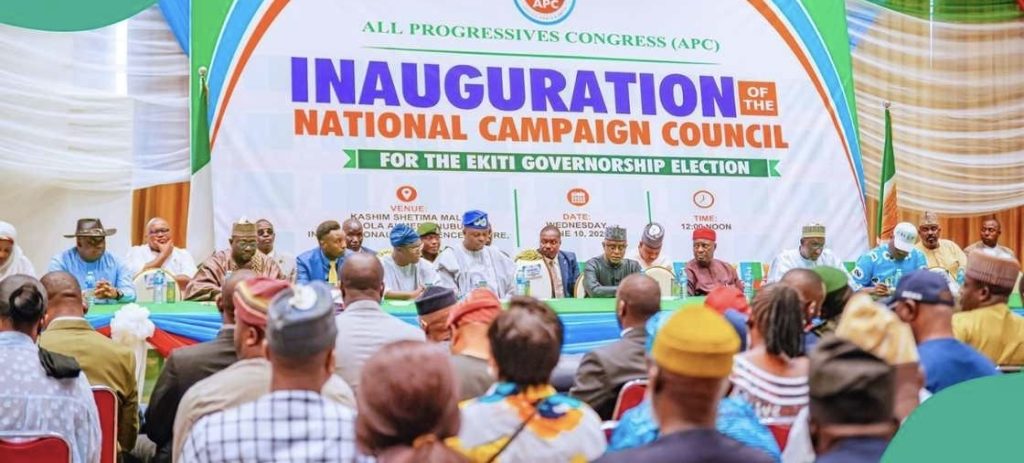
Political tensions are building ahead of Nigeria’s 2027 general election following reports that the appointment of prominent opposition politicians to President Bola Tinubu’s re-election campaign council has generated concerns within the ruling All Progressives Congress (APC) and among opposition candidates.
The development was highlighted in reports published on Sunday, October 18, as political parties and their supporters continued preparations for the forthcoming elections.
Tinubu inaugurated the APC Presidential Campaign Council on October 14 in Abuja, calling on members and party leaders to demonstrate unity, discipline and commitment as they prepare for the election.
However, the inclusion of politicians associated with other political camps in the campaign structure has reportedly created unease among some APC members. Some party stakeholders are concerned that longstanding members who worked to strengthen the party could feel sidelined by the appointments.
The political arrangements have also raised questions among opposition candidates. Politicians seeking elective positions under other parties may have to contend with the implications of their leaders or influential allies participating in Tinubu’s campaign while their own parties prepare to challenge the APC in the elections.
The situation is particularly significant in states such as Osun, Anambra and Rivers, where political alliances and rivalries could influence contests for governorship, legislative and other positions.
For the APC, the challenge will be managing relationships between its established members and political figures joining its campaign structure. For opposition parties, the development could intensify discussions about party loyalty, alliances and how candidates should distinguish their campaigns from those of rival parties.
With the 2027 election approaching, political observers will be watching how these relationships develop and whether they lead to new alliances or further disagreements within the parties.
The unfolding situation highlights the increasingly complex nature of Nigerian politics, where cooperation between prominent politicians can coexist with competition between the parties they represent. Ultimately, voters will have the opportunity to assess the candidates, their records and their proposals when they go to the polls.