
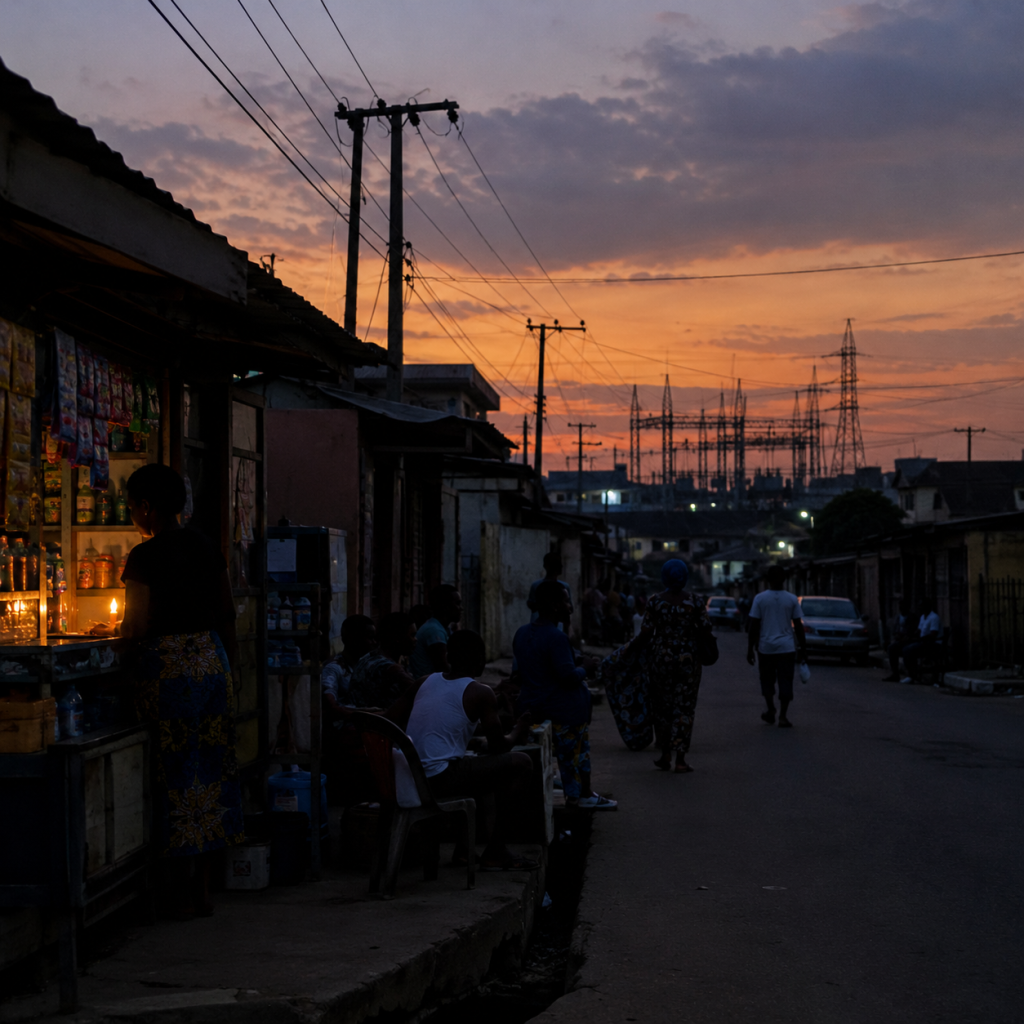
Nigeria’s electricity supply has come under fresh pressure following reports that the national grid’s available generation dropped to just 675 megawatts, with nine power plants reportedly going offline, raising further concerns about the country’s already challenging electricity situation.
The development, reported by Vanguard on Tuesday, October 20, 2026, highlights the continuing difficulties facing Nigeria’s power sector as households, businesses and industries depend on an unstable electricity supply.
The reported decline could place additional pressure on electricity distribution companies and consumers, particularly small businesses that rely on public power to operate daily. Shops, restaurants, salons, offices and manufacturing businesses may have to depend more heavily on petrol or diesel generators when electricity from the grid is insufficient.
For households, an unreliable power supply can mean spending more money on alternative sources of electricity, while businesses may face higher operating expenses that can eventually affect the prices of goods and services.
The situation also renews questions about the reliability of Nigeria’s electricity infrastructure and the ability of the country’s generation companies to maintain consistent output. When several generating plants become unavailable at the same time, the amount of electricity available for transmission and distribution can fall significantly.
Nigeria has struggled with electricity generation and distribution challenges for years, with consumers frequently experiencing power interruptions despite the country’s efforts to improve the sector. The latest report adds to concerns about the need for stronger infrastructure, improved maintenance and more dependable electricity generation.
However, the reported 675MW figure represents a snapshot of the grid situation, and further details would be needed to establish how long the reduced generation lasted and the specific reasons the nine plants went offline.
For millions of Nigerians, the central concern remains whether electricity supply can become more stable and affordable, particularly as businesses and households continue to face rising operating costs.