A new United Nations report has estimated that approximately 113 million Nigerians, representing 48.7 per cent of the population, are experiencing multidimensional poverty, highlighting the continuing challenges facing millions of households despite efforts to improve the country’s economic performance.
The findings were reported by Channels Television on October 14, following the release of the 2026 Global Multidimensional Poverty Index by the United Nations Development Programme (UNDP). Unlike measurements based solely on income, the index examines several forms of deprivation, including access to education, healthcare, electricity, clean cooking fuel and other basic necessities.
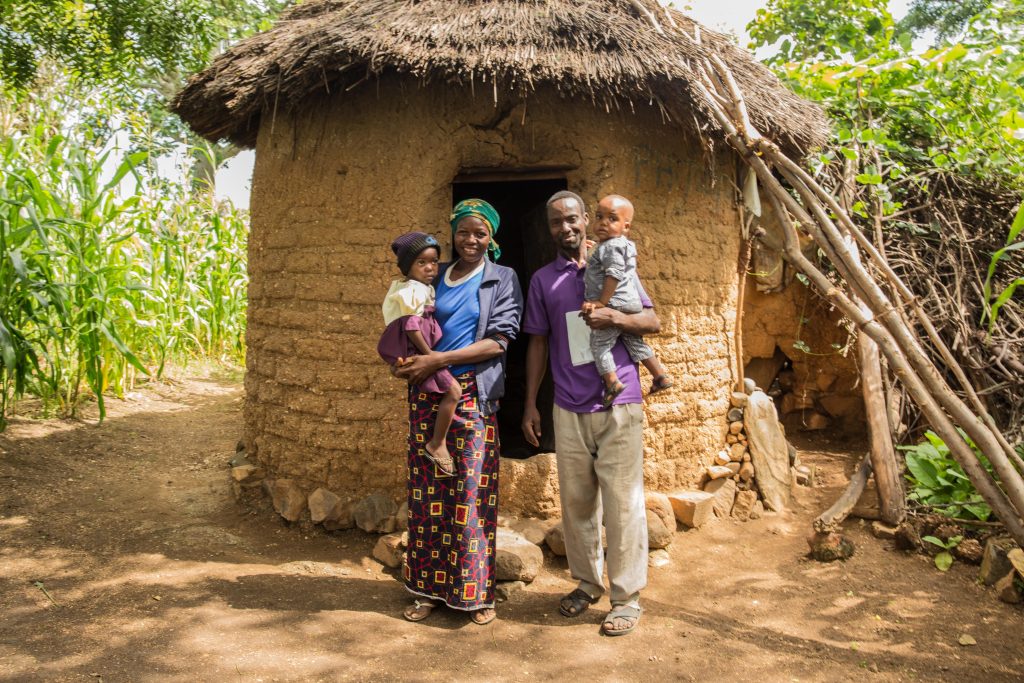
The report draws attention to the difficulties faced by households that may struggle with several essential needs at the same time. For example, a family may have limited access to healthcare, children may face barriers to education, and the household may lack reliable electricity or clean cooking facilities.
The findings also point to significant differences between rural and urban communities. According to the report, multidimensional poverty is particularly widespread in Nigeria’s North-West and North-East regions, where access to basic services and economic opportunities remains a major concern.
One important factor highlighted in the report is access to clean cooking fuel and electricity. When households lack these services, they may face additional expenses, health risks and difficulties carrying out everyday activities. Limited access to reliable infrastructure can also affect businesses, educational opportunities and the quality of life in affected communities.
The report comes at a time when Nigeria is pursuing economic reforms intended to improve government revenue, attract investment and support long-term growth. However, the findings underline the difference between improvements in national economic indicators and the living conditions experienced by ordinary citizens.
Addressing multidimensional poverty will require sustained investment in primary healthcare, education, electricity, clean water and other essential services. Expanding employment opportunities and supporting small businesses could also help families improve their financial circumstances.
The report’s estimates should be understood within the context of the underlying survey data and measurement period; they do not necessarily represent a fresh count of every household in October 2026.
For policymakers, the challenge is to ensure that economic reforms translate into practical improvements for Nigerians, particularly vulnerable families and communities with limited access to basic services.