Nigeria’s improving economic stability has not eliminated the risk of poverty for millions of citizens, according to a report published by Punch Newspapers on October 14, 2026.
The report highlights continuing concerns about the gap between improvements in the country’s economic indicators and the everyday experiences of households struggling with the cost of living. Although greater macroeconomic stability can help create conditions for investment and long-term growth, it does not automatically mean that families are experiencing better living standards.
The warning comes as Nigerians continue to face pressure from the cost of essential goods and services. Food, transportation, housing, electricity and other basic expenses remain important concerns for households, particularly those whose incomes have not increased at the same pace as their expenses.
Economic stability generally refers to conditions such as more predictable prices, improved financial management and a stronger economic environment for businesses. However, the benefits can take time to reach ordinary citizens through higher employment, better wages, increased productivity and more affordable essential goods.
For Nigeria, the challenge is to ensure that economic reforms produce results beyond national economic statistics. Businesses need an environment that supports investment and job creation, while households need opportunities to earn sustainable incomes and afford basic necessities.
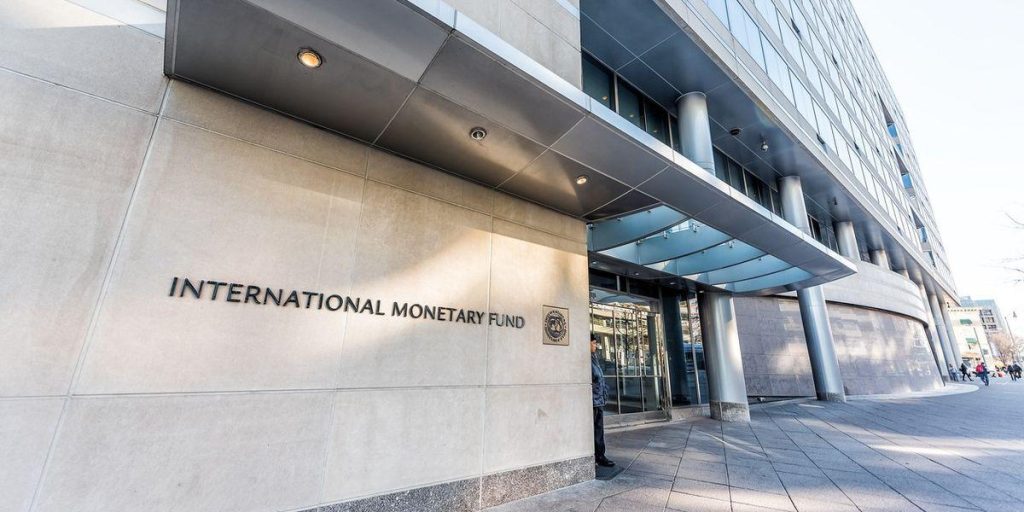
The International Monetary Fund has repeatedly stressed the importance of maintaining sound economic policies while addressing the effects of rising living costs and poverty. For policymakers, the concern is that economic progress may remain uneven if vulnerable households do not experience meaningful improvements in their purchasing power.
The latest warning reinforces the need for policies that encourage employment, strengthen local production, improve access to essential services and protect the most vulnerable Nigerians.