\n\nThe Nigerian government has firmly rejected allegations from the United States Congress that it presides over a policy of Christian persecution, insisting that the country’s security challenges are driven by terrorism and criminality—not religious bias.
In a statement issued on Tuesday, the Minister of Information and National Orientation, Mohammed Idris, declared: “It is important to state clearly that Nigeria does not have, and has never had, a state policy of religious persecution.”
The response follows a U.S. Congress report, submitted to the White House, which described Nigeria as the “deadliest country to be a Christian” globally. The report called for sweeping sanctions on individuals and entities perceived to be responsible for or complicit in the activities of terrorist groups targeting Christians.
It also alleged that blasphemy laws in northern Nigeria are used to silence dissent and target Christian and minority religious groups.
Government Defends Constitutional Protections
The Nigerian government countered that the country’s constitution “guarantees freedom of religion and freedom of worship for all citizens.”
“The Federal Government remains firmly committed to upholding these constitutional protections and to ensuring equal protection under the law,” the statement read.
Acknowledging the serious security challenges facing parts of the country, the government expressed deep concern over the loss of lives and destruction of property resulting from criminal acts.
“We extend our sympathies to all victims and their families, regardless of faith, ethnicity, or region,” the statement added.
Violence Driven by Complex Threats, Not Religious Bias
The government argued that the violence confronting security agencies is not driven by government policy or religious bias, but by “complex security threats, including terrorism, organised criminality, and longstanding communal tensions.”
It highlighted ongoing counter-terrorism efforts, which it said have “degraded the capacity of armed groups, disrupted kidnapping networks, and led to the arrest and neutralisation of key criminal elements.” Enhanced intelligence sharing and inter-agency collaboration, the government noted, have improved early warning and rapid response mechanisms, particularly in vulnerable rural communities.
A Recurring Dispute
This is not the first time Nigeria has pushed back against allegations of Christian genocide. In September 2025, the government refuted reports by international media and online influencers claiming systemic violence against Christians. The narrative gained traction among U.S. lawmakers, leading to heightened diplomatic pressure.
In response, Nigeria’s Minister of Foreign Affairs, Yusuf Tuggar, repeatedly rejected the claims in interviews with international news platforms. The allegations appeared to subside earlier this year following high-level delegation visits and ongoing discussions on security cooperation.
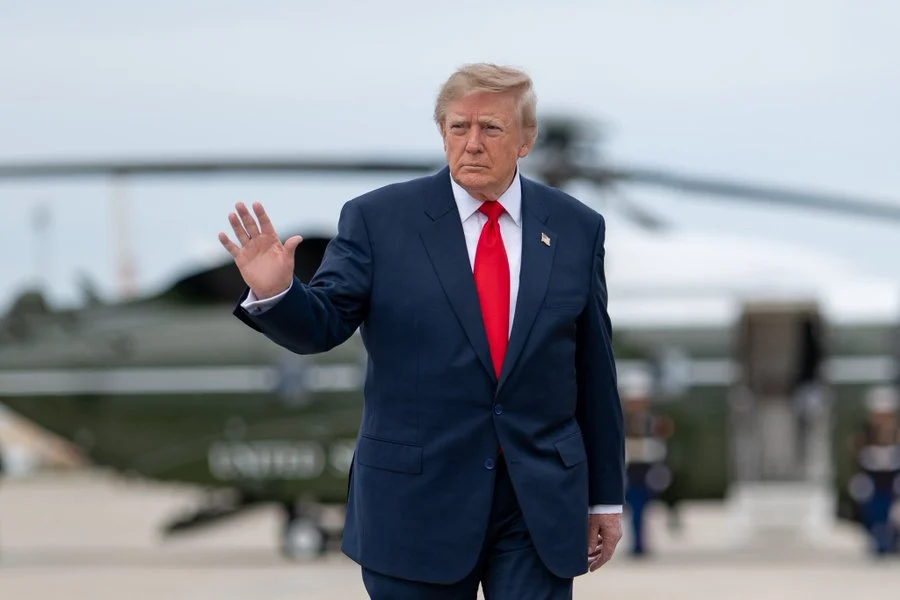
Even U.S. President Donald Trump, in an interview with the New York Times, acknowledged that the security crisis is an “existential threat” to people of both major faiths in Nigeria, though he maintained that Christians were disproportionately affected.
Monday’s U.S. Congress report, however, has reignited the controversy, alleging that “Christians are subject to ongoing violent attacks from well-armed Fulani militias and terrorist groups, resulting in the death and murder of tens of thousands of Christians, including pastors and priests, the destruction of thousands of churches and schools, as well as kidnappings.”
Nigeria’s Position: Open to Dialogue, Firm on Sovereignty
The Nigerian government reiterated its openness to “constructive dialogue and cooperation rooted in mutual respect, shared responsibility, and recognition of Nigeria’s constitutional framework and sovereignty.”
The statement underscores the administration’s determination to defend its record while navigating a complex diplomatic landscape with its longstanding ally, the United States.