\n\nFormer Vice President Atiku Abubakar has expressed serious concern over recent changes to Nigeria’s Electoral Act Amendment Bill, warning that a mixed system of electronic and manual transmission of election results could lead to confusion, undermine transparency, and erode public confidence in future elections.
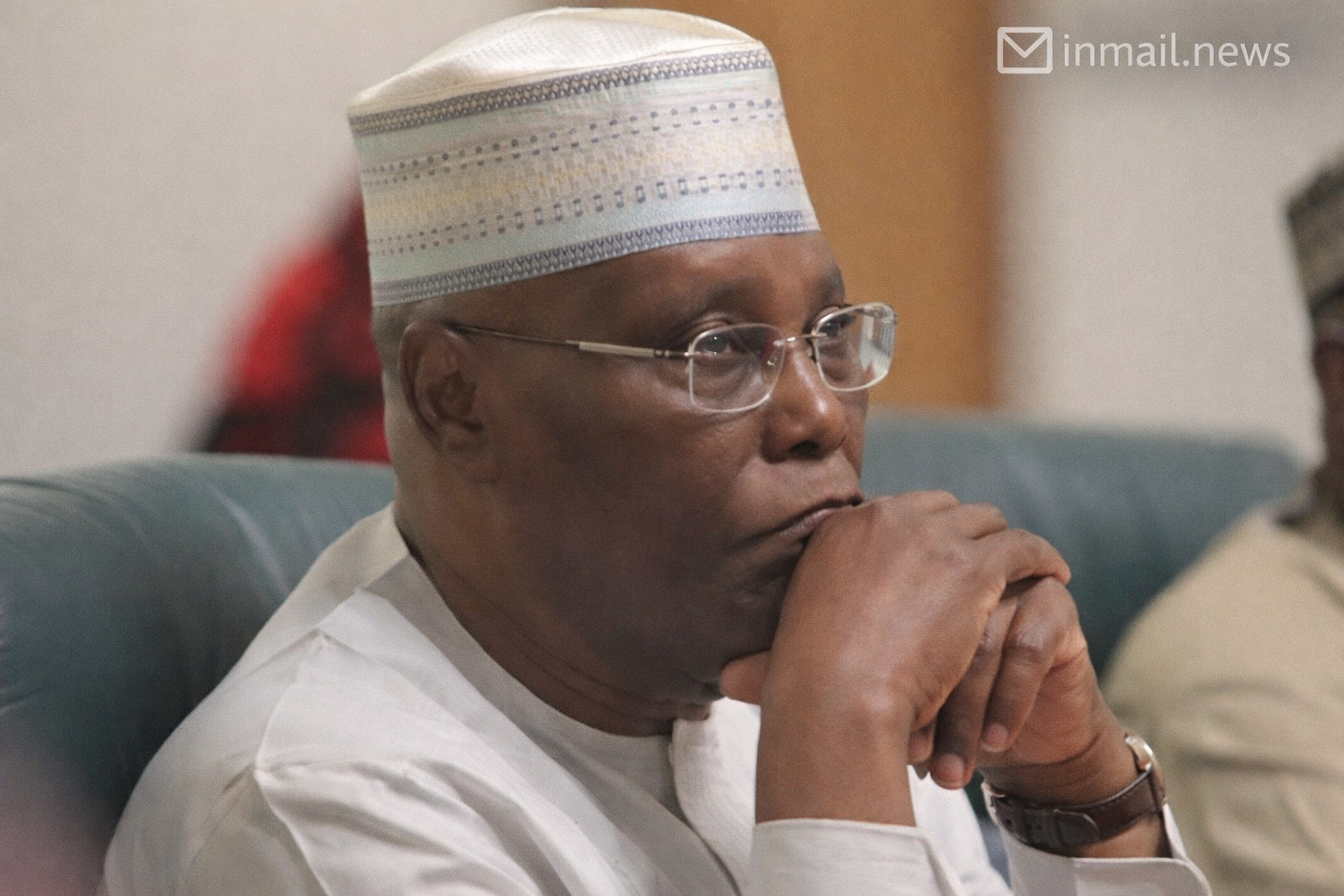
Atiku made the comments on Tuesday in Minna, Niger State, after a closed-door visit with former military leader General Ibrahim Badamasi Babangida (rtd.), alongside Oyo State Governor Seyi Makinde. Speaking to journalists, the African Democratic Congress (ADC) chieftain condemned the blend of manual and electronic result transmission approved by the Senate, saying Nigerians had expected a real-time electronic transmission system at all levels of the electoral process.
“Nigerians were expecting real-time electronic transfer to the various levels of the elections,” Atiku said. “But what we got is a mixture of electronic and manual transmission, which is going to cause more confusion or chaos.” He added that the hybrid approach could weaken trust in Nigeria’s electoral system and compromise the credibility of election outcomes.
The controversy stems from provisions in Clause 60(3) of the Electoral Act (Repeal and Enactment) Bill, 2026, which initially removed the automatic requirement for real-time electronic transmission of results. However, following public outcry and protests by civil society groups, political parties, and labour bodies, the Senate backtracked and revised the clause to designate electronic transmission as the primary method, while retaining manual collation (Form EC8A) as a fallback in areas with connectivity challenges.
Atiku argued that this hybrid system still falls short of expectations, insisting that a single-tier real-time electronic system would be far more credible. He also urged opposition political parties to unite and intensify advocacy for comprehensive electoral reforms that prioritise transparency and minimise human intervention in result transmission.
Political reactions have been varied. Some stakeholders, including labour unions and civil society organisations, have criticised the amendment as ambiguous and potentially confusing, demanding clearer legislative language and implementation plans. Past actions saw the National Labour Congress (NLC) threaten protests over unclear provisions relating to electronic transmission of results.
Meanwhile, the Senate has set up a 12-member conference committee to harmonise differences between its version of the Electoral Act Amendment Bill and the one passed by the House of Representatives — a necessary step before sending the bill to President Bola Tinubu for assent. Senate leadership has expressed optimism that the harmonised bill could be signed into law before the end of February.
Atiku, a veteran politician and former presidential candidate, reiterated that his comments are grounded in concerns for democratic integrity rather than personal political ambitions. He emphasised that reforms must focus on strengthening Nigeria’s electoral architecture to reduce disputes and foster greater public confidence.