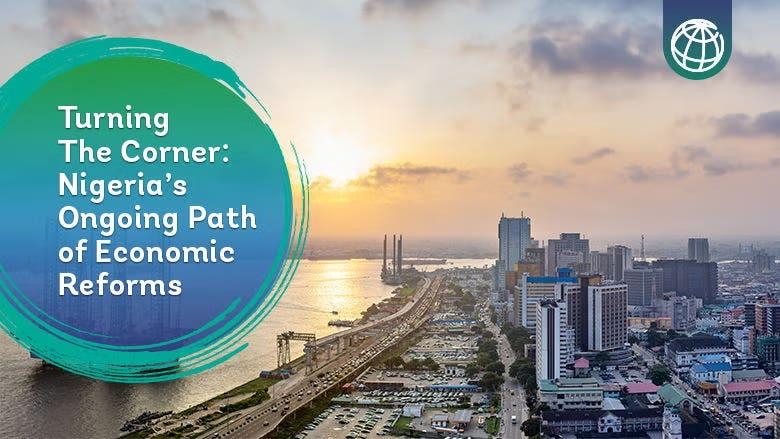
Nigeria has received fresh recognition from the World Bank following an increase in private capital inflows, with the development highlighting renewed investor activity and growing interest in the country’s economic opportunities.
The News Agency of Nigeria (NAN) reported on October 13, 2026, that the World Bank had commended Nigeria as private capital inflows reached approximately $6 billion. The development comes amid ongoing efforts by the Federal Government to attract investment, strengthen the economy and encourage private-sector participation in national development.
Private capital inflows refer to funds brought into a country by private investors, businesses and other non-governmental sources. Such investments can support business expansion, infrastructure development, job creation and the growth of productive industries.
For Nigeria, attracting private capital is particularly important as the government seeks to reduce pressure on public finances and encourage businesses to play a greater role in economic development. Investment from private sources can help companies expand operations, introduce new technology, improve productivity and create employment opportunities.
Nigeria has significant investment opportunities across several sectors, including agriculture, manufacturing, telecommunications, financial services, energy, technology and transportation. However, turning investor interest into lasting economic growth depends on the availability of reliable infrastructure, predictable policies and a business environment that allows companies to operate efficiently.
The reported $6 billion in private capital inflows is therefore an important indicator of investment activity, although the figure alone does not establish how much new employment has been created or how the investment has been distributed across different sectors.
For small businesses, increased investment can create opportunities through improved access to finance, stronger supply chains and partnerships with larger companies. It may also encourage competition and support the development of new products and services.
However, Nigeria continues to face economic challenges, including high living costs, infrastructure gaps, expensive business financing and pressure on household purchasing power. These difficulties can limit the extent to which investment translates into immediate improvements in the daily lives of ordinary citizens.
The government will therefore need to ensure that efforts to attract investors are accompanied by policies that support local businesses, improve access to electricity and transportation, and encourage the creation of stable jobs.
The World Bank’s reported commendation provides a positive signal about Nigeria’s investment prospects. The next major test will be whether the country can sustain capital inflows and translate them into higher productivity, stronger businesses and improved living standards.