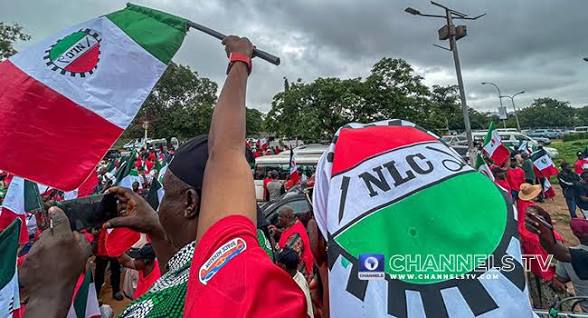
The Nigeria Labour Congress (NLC) has issued a 14-day ultimatum to the Federal Government, demanding action on petrol prices, workers’ welfare and outstanding agreements with organised labour.
The union’s demands come amid continuing concerns about the rising cost of living and the financial difficulties faced by Nigerian workers. With transportation, food and other essential expenses taking up a significant portion of household incomes, labour leaders are calling for measures that will provide relief to workers and their families.
The NLC wants the government to address petrol pricing and begin discussions on the national minimum wage, alongside the resolution of outstanding issues between the government and organised labour.
Petrol prices remain a major concern
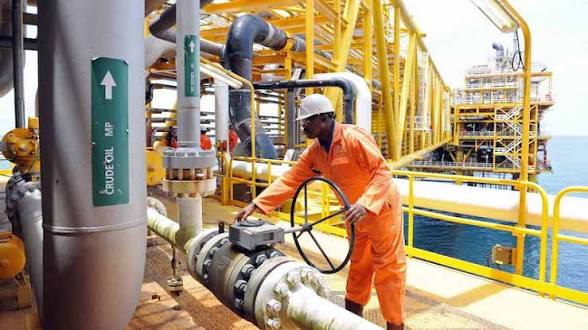
Fuel prices remain an important issue for Nigerian households and businesses because their effects extend beyond the cost of filling a vehicle. Higher petrol costs can increase transport fares, raise the cost of moving goods and add to the operating expenses of businesses that depend on generators.
These additional expenses can eventually affect the prices consumers pay for food, household supplies and other essential products.
For workers who travel long distances to their workplaces, rising transportation costs can leave less money available for other needs. The NLC’s demand for action on petrol prices reflects concerns about how these increases affect workers’ purchasing power.
Minimum wage and workers’ welfare
The union is also seeking progress on minimum wage discussions and the implementation of outstanding agreements with the government.
The minimum wage remains a significant issue for employees who say their earnings must be considered alongside the cost of basic necessities. Labour representatives have repeatedly called for better working conditions and wages that reflect prevailing economic realities.
Any changes to wages, however, will require negotiations involving the government, employers and organised labour. The outcome could have implications for public-sector spending and the finances of businesses employing workers across the country.
Government faces pressure to respond
The 14-day ultimatum gives the Federal Government a limited period to respond to the union’s demands and engage with labour representatives.
The deadline does not automatically mean a strike will take place. Further action would depend on the union’s decisions and whether discussions produce an acceptable outcome.
A resolution could help prevent further confrontation between the government and organised labour. However, failure to reach an agreement could lead to renewed tension and possible industrial action.
For Nigerian workers, the immediate concern is whether the discussions will produce practical measures that ease financial pressure and improve working conditions.
The coming days will therefore be important for both parties as they consider the demands and the possibility of reaching an agreement before the deadline expires.