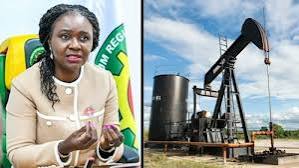
The Federal Government has opened Nigeria’s 2026 oil licensing round, offering 40 oil and gas blocks across different parts of the country as it seeks to attract fresh investment into the petroleum sector and increase exploration and production activities.
The licensing round is being handled by the Nigerian Upstream Regulatory Commission, which is expected to release detailed information on the blocks and the terms of the bidding process in the coming days. The blocks cover land, shallow-water and deepwater areas, giving both local and international investors opportunities to participate in Nigeria’s upstream petroleum industry.
The opening of the licensing round comes as Nigeria continues to look for ways to increase crude oil and gas production and strengthen government revenue from the petroleum sector.
Oil remains a major part of Nigeria’s economy, particularly because petroleum exports provide a significant source of foreign exchange. However, the sector has faced several challenges over the years, including crude oil theft, pipeline vandalism, insecurity, ageing infrastructure, production losses and difficulties attracting sufficient new investment.
The government has been working to improve the investment environment through regulatory reforms and efforts to strengthen security around oil-producing areas. Recent improvements in crude production have also been linked to increased efforts to reduce oil theft and protect petroleum infrastructure.
The new licensing round is therefore expected to give investors access to additional opportunities while allowing Nigeria to develop some of its remaining oil and gas resources.
The 40 blocks being offered cover different geographical and geological areas, meaning the opportunities available to investors will vary depending on the location and characteristics of each block. The detailed information to be released by the NUPRC is expected to provide prospective investors with information needed to assess the commercial potential of the assets.
For Nigeria, the success of the licensing round could have implications beyond the petroleum industry. New investment in exploration and production could generate additional government revenue, create jobs, increase demand for local services and support businesses operating across the oil and gas value chain.
The development also comes at a time when Nigeria is trying to improve its fiscal position and reduce pressure on government finances. The Federal Government’s domestic debt has continued to rise, with a recent analysis putting domestic debt at about N87 trillion at the end of the second quarter of 2026.
Higher oil production and stronger investment in the petroleum sector could therefore provide additional revenue opportunities for the government, although experts have continued to stress the importance of proper management of petroleum earnings.
The government will also need to ensure that the licensing process remains transparent, competitive and attractive to serious investors. Investors are expected to pay close attention to the fiscal terms, regulatory requirements, security conditions and infrastructure available around the blocks.
If successfully implemented, the 2026 licensing round could become another step in Nigeria’s efforts to revive investment in its upstream petroleum sector and increase production.
The immediate focus will now shift to the detailed terms of the bidding process and the response from investors as the government seeks to turn the available oil and gas assets into new investment, production and economic opportunities for the country.