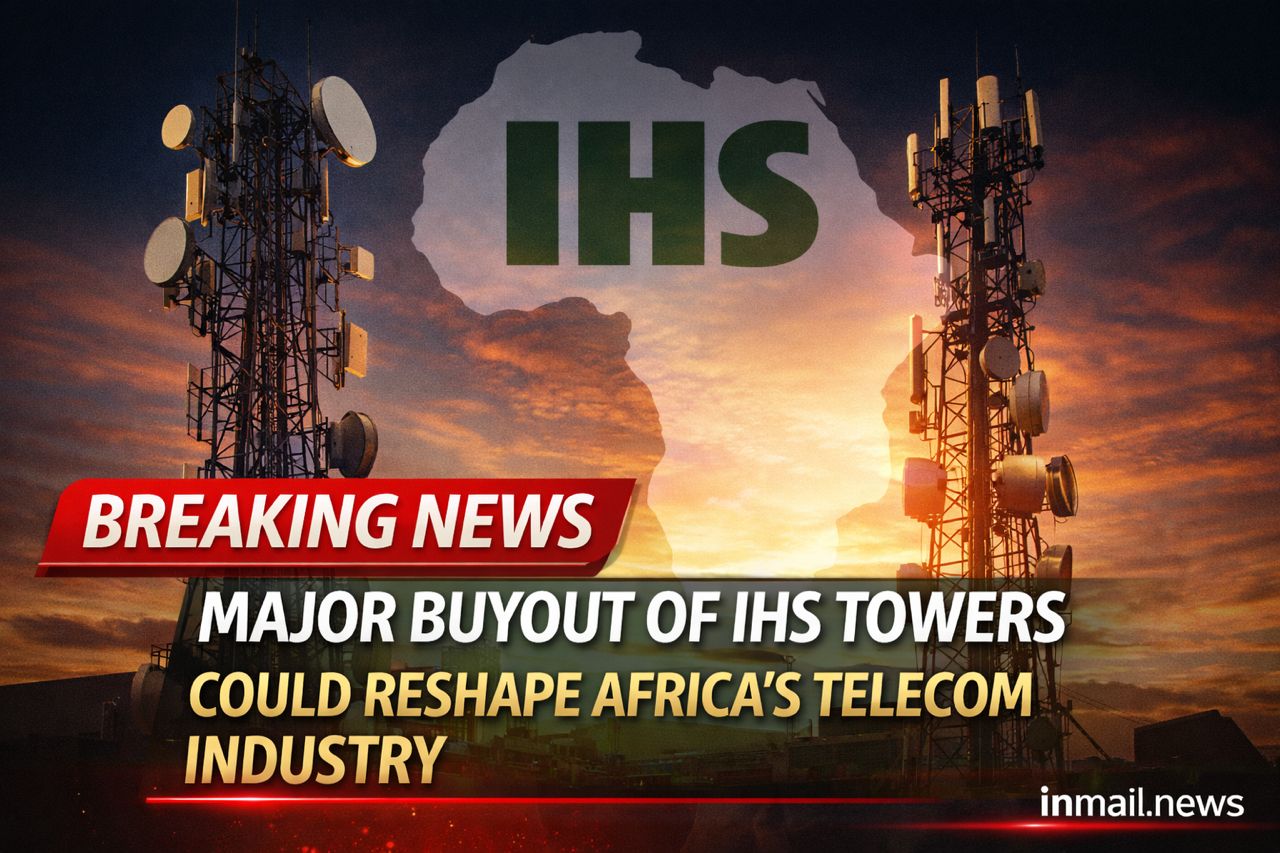
\n\nA proposed takeover of IHS Towers, one of Africa’s leading telecom infrastructure companies, could significantly reshape the continent’s telecommunications landscape by unlocking new investment, modernising networks, and accelerating digital growth, industry experts say. The planned buyout reportedly led by global asset managers including Blackstone, Global Infrastructure Partners (GIP), and others could value IHS at up to $15 billion, making it one of the largest private deals involving an African tech-linked firm in recent years.
IHS Towers operates thousands of telecom sites across dozens of African countries, providing critical infrastructure on which mobile operators depend for voice, data and internet services. If the buyout succeeds, it could help standardise infrastructure across borders, reduce costs for telecom operators, and attract further foreign capital into Africa’s digital economy. Analysts note that better-managed tower portfolios and more efficient infrastructure sharing could lower entry barriers for smaller internet service providers and help close connectivity gaps in rural areas.
Part of the appeal for investors is IHS’s recurring revenue model, which stems from long-term leases with major mobile network operators in countries such as Nigeria, Ghana, South Africa and Côte d’Ivoire. Demand for data and mobile services across Africa continues to grow rapidly, with regulatory reforms and competition from emerging 5G deployments expected to boost earnings potential. Experts say this distinguishes IHS unlike traditional infrastructure firms as a stable revenue generator in emerging markets where economic volatility is often a concern.
The deal is not without challenges. Regulatory approvals across multiple African jurisdictions could slow the process, and some market watchers warn that consolidation of tower ownership might reduce competitive options for smaller telecom operators unless clear infrastructure sharing agreements are implemented. Civil society groups have also called for safeguards to ensure that expanded foreign investment leads to improved service quality and affordability for ordinary users.
Proponents argue that the consolidation could also enable new digital services including expanded cloud computing facilities, edge computing deployment, and Internet of Things (IoT) connectivity by leveraging IHS’s widespread physical footprint. With Africa’s burgeoning youth population and expanding digital ecosystems in key hubs such as Lagos, Nairobi and Johannesburg, the telecom tower buyout is being viewed as a bellwether for deeper infrastructure investment across the continent.
The outcome of the proposed acquisition is still pending formal shareholder approval and regulatory review. If completed, it could set a precedent for more large-scale investment in Africa’s technology infrastructure potentially catalysing growth in other sectors such as fintech, e-commerce and digital education.