President Bola Ahmed Tinubu’s administration has launched a ₦1.8 trillion road reconstruction and expansion project in Niger State, with the Federal Government expecting the development to improve transportation, strengthen agricultural activities and create employment opportunities.
The project covers the Lambata–Bida–Mokwa–Makera–Kontagora highway, an important road corridor expected to connect communities, farming areas and commercial centres across the state. The announcement was made during the project’s flag-off ceremony in Bida, Niger State, where the Minister of Information and National Orientation, Mohammed Idris, represented the Federal Government.
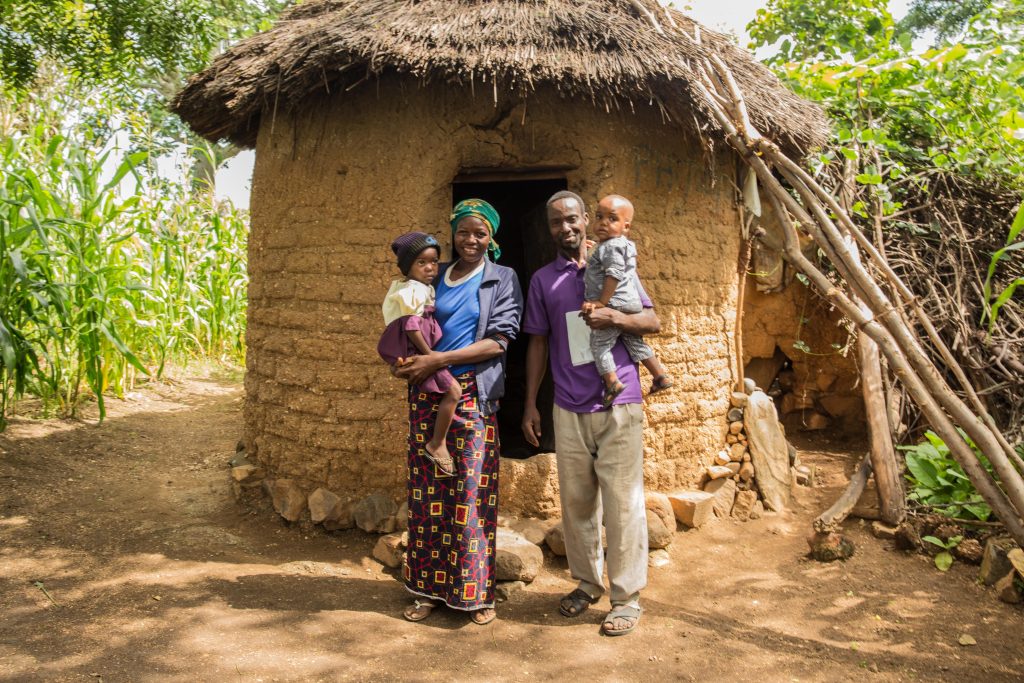
According to the minister, the project goes beyond road construction, as improved transportation links could make it easier for farmers to move their produce to markets, traders to distribute goods and businesses to reach more customers. Niger State is an important agricultural area, and better road connections could help reduce some of the difficulties associated with transporting farm produce over long distances.
The government also expects the project to generate employment during construction and create further economic opportunities for transport operators, small-business owners, young people and entrepreneurs. Improved road infrastructure can support local commerce by making the movement of goods and people more convenient, although the actual benefits will depend on the quality of construction, completion time and how effectively the road is maintained.
Niger State Governor Mohammed Umaru Bago welcomed the Federal Government’s investment and expressed appreciation for the support given to the state’s infrastructure development. Works Minister David Umahi also praised the administration’s road programme and addressed concerns surrounding the progress of the Lagos–Calabar Coastal Highway, maintaining that construction was continuing.
The Federal Government has urged residents and communities along the road corridor to cooperate with contractors, protect the project’s right of way and safeguard public infrastructure throughout construction. Such cooperation will be important in limiting disruptions and helping the project progress.
The ₦1.8 trillion investment comes as Nigeria continues to face pressure to improve transport infrastructure, support food production and create more economic opportunities. Poor road conditions can increase transport costs, delay deliveries and contribute to post-harvest losses when agricultural products take too long to reach buyers.
However, the project’s long-term impact will depend on timely completion, transparent use of public funds and the delivery of durable roads that can withstand heavy traffic and changing weather conditions.
If completed to the expected standard, the highway could strengthen connections between communities and commercial centres, making it easier for agricultural products and other goods to reach markets within Niger State and beyond.