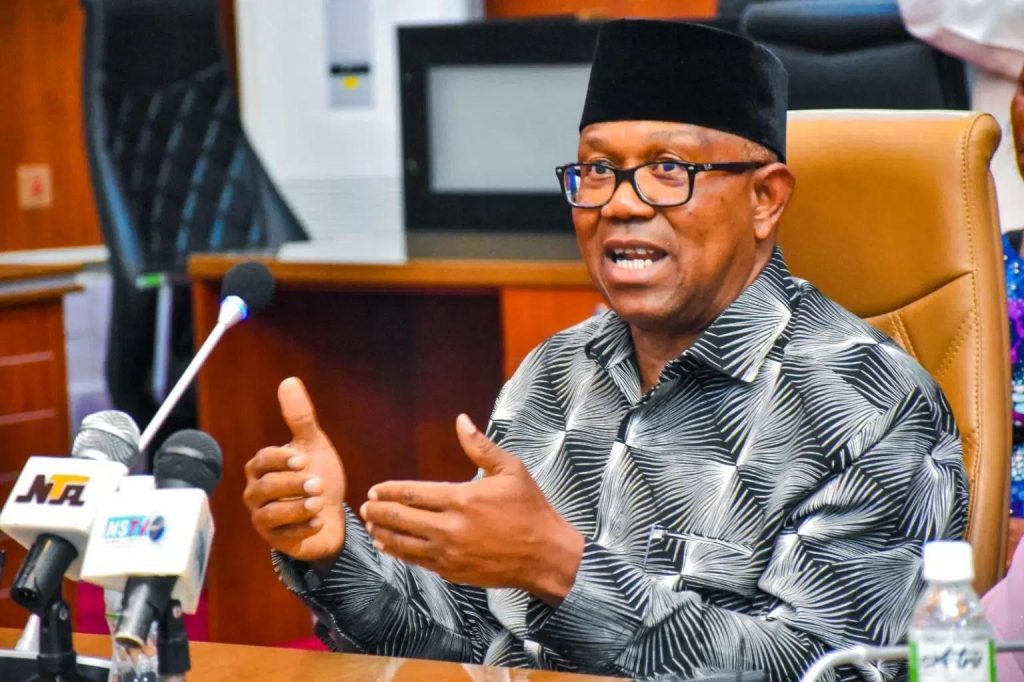
Former Labour Party presidential candidate Peter Obi has criticised the Federal Government over concerns about Nigeria’s investment environment, arguing that persistent challenges facing businesses must be addressed if the country is to attract more foreign investment.
In a report published on October 15, 2026, CNN News Nigeria reported that Obi reacted to concerns highlighted in the United States’ 2026 Nigeria Investment Climate Statement. The assessment identified several obstacles affecting the country’s attractiveness to investors, including corruption, insecurity, unreliable electricity, delays at ports and weaknesses in regulatory enforcement.
Obi argued that Nigeria’s economic potential should make it an attractive destination for international investors, given its large population, consumer market and available business opportunities. However, he maintained that economic reforms and positive headline figures would have limited impact if companies continued to encounter difficulties operating within the country.
One of the major concerns highlighted in the report is the reliability and cost of electricity. Businesses that cannot depend on the national power supply often have to invest in generators, fuel and alternative energy systems. These additional expenses can increase production costs, reduce profits and make Nigerian-made products less competitive against imported alternatives.
Port inefficiencies are another concern. Delays in clearing goods at major facilities, including Apapa and Tin Can Island ports in Lagos, can increase the cost of importing raw materials and exporting finished products. For businesses operating on tight schedules, such delays can affect supply chains, increase operating expenses and discourage new investment.
Corruption, insecurity and uncertainty surrounding regulations can also influence investment decisions. International companies generally assess not only the size of a market but also the predictability of its laws, the protection available to investors and the ease of resolving commercial disputes.
The report also highlighted the composition of capital entering Nigeria. According to figures cited by Obi, the country recorded $10.37 billion in capital imports in the first quarter of 2026, but only $135.08 million was classified as foreign direct investment. This distinction matters because portfolio investment and direct investment have different economic implications. Direct investment can involve establishing businesses, expanding factories and creating long-term employment, while portfolio inflows generally involve financial assets.
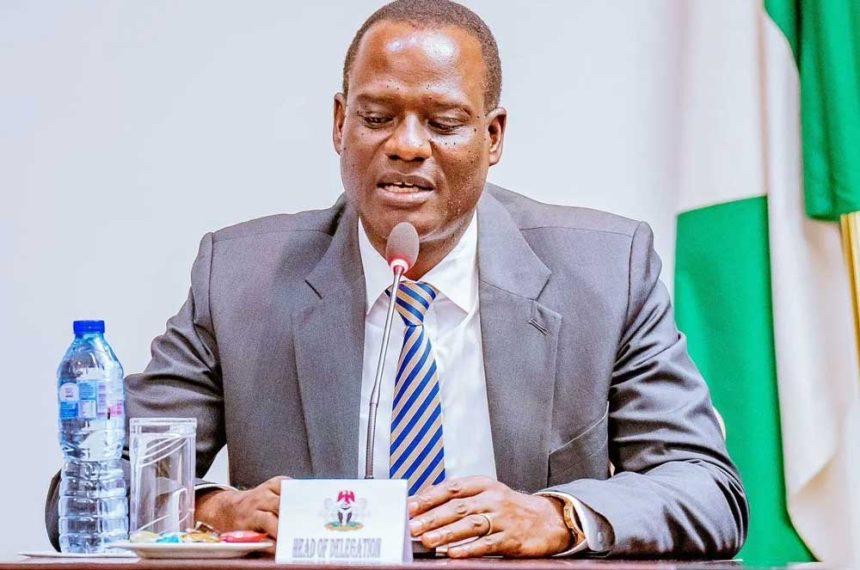
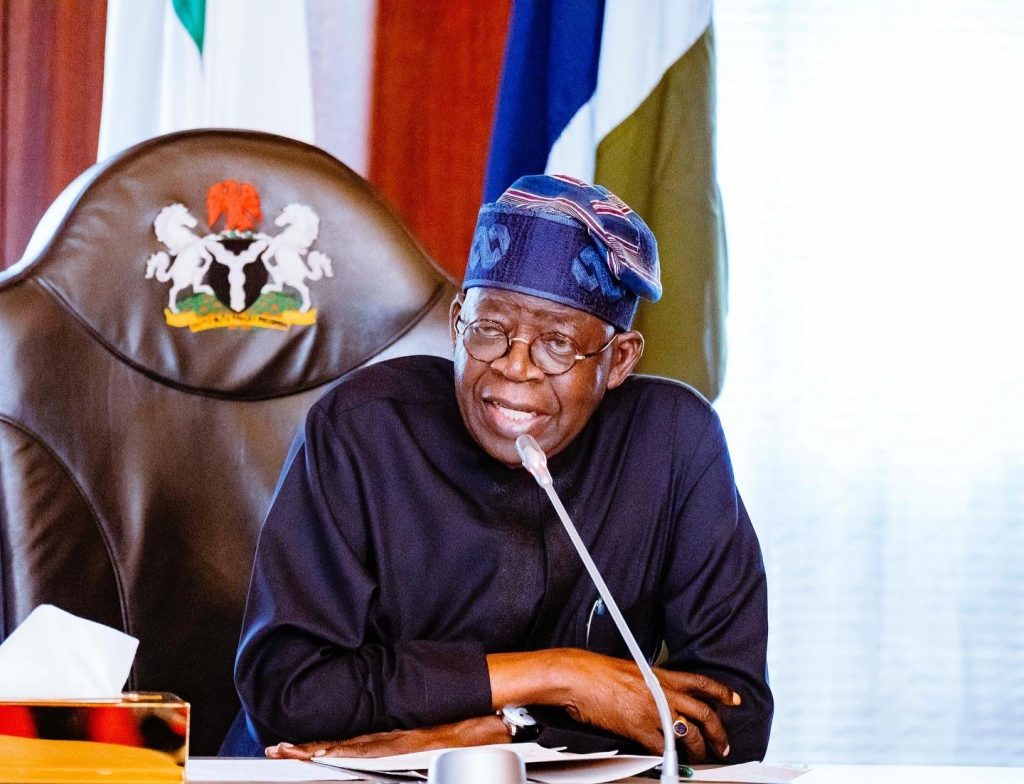
The criticism comes as the Tinubu administration continues to defend its economic reforms and efforts to improve investor confidence. The government has argued that its policies are intended to stabilise the economy and create a stronger foundation for long-term growth.
Ultimately, the debate highlights the gap between attracting financial inflows and creating an environment in which businesses can operate efficiently over many years. Improving electricity supply, reducing port delays, strengthening security and ensuring transparent regulation could help Nigeria turn its economic potential into more jobs and productive investment.