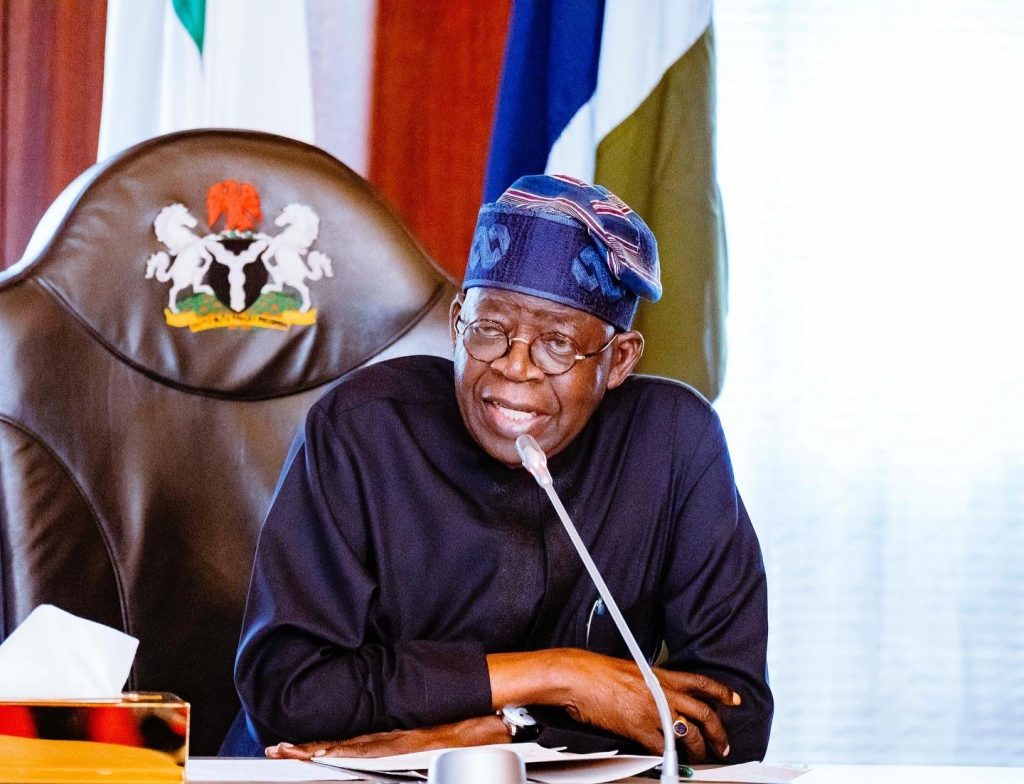
President Bola Ahmed Tinubu’s administration is facing growing expectations to translate its economic reforms into tangible improvements in the lives of Nigerians, particularly through job creation, increased investment and measures that can ease the pressure of rising living costs.
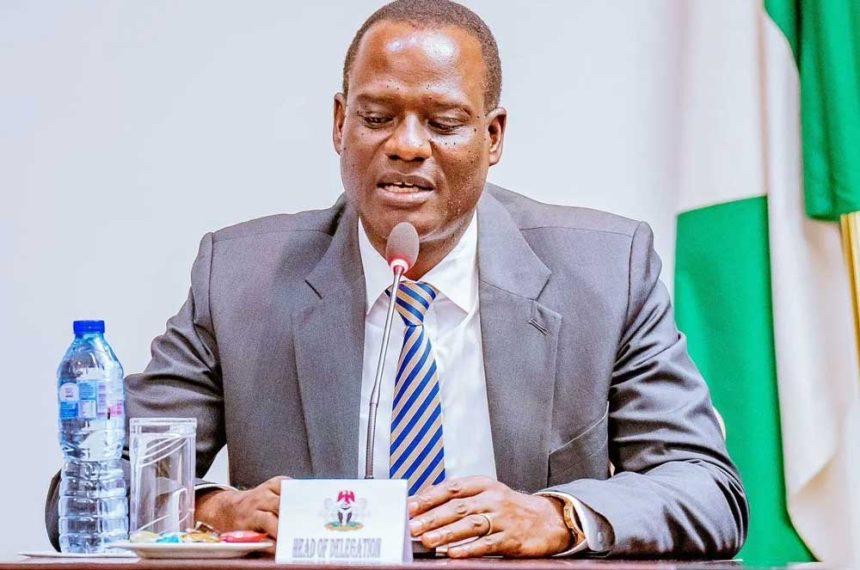
The Federal Government has indicated that its economic agenda is moving beyond the introduction of major reforms towards consolidating their gains and ensuring that the benefits reach ordinary citizens. Secretary to the Government of the Federation, Senator George Akume, outlined this direction during a press conference in Abuja ahead of Nigeria’s 66th Independence Anniversary.
Akume said the reforms introduced since 2023, including the removal of the petrol subsidy and changes to the foreign exchange market, were intended to improve economic stability, strengthen government finances and attract investment. He stressed that the next stage requires consistent implementation and stronger institutions to ensure that the changes produce meaningful results for the population.
The government’s position comes as households and businesses continue to deal with the effects of high transport costs, food prices and other daily expenses. Petrol prices remain particularly important because they influence the cost of transporting goods, operating businesses and moving agricultural produce from farms to markets.
In response to these concerns, the administration has defended temporary fuel-price relief measures while maintaining that a return to the former nationwide petrol subsidy system could put additional pressure on public finances. The Federal Government says its approach is intended to provide some relief while maintaining the broader economic reform programme.
The administration has also pointed to recent economic indicators as evidence of progress. According to the World Bank’s October 2026 Nigeria Development Update, the economy grew by 4.2 per cent in the first half of 2026, compared with 3.9 per cent during the same period in 2025. The bank projects average annual growth of at least 4.4 per cent between 2026 and 2028, provided reforms continue and public services improve.
Despite these projections, economic growth does not automatically mean that every Nigerian will experience an immediate improvement in living standards. Job availability, household income, food affordability and the cost of essential services remain important measures of whether the economy is improving for ordinary people.
The Federal Government says it intends to focus more strongly on employment, agricultural production, industrial development and support for vulnerable households. However, Nigerians will be watching to see whether these commitments translate into better-paying jobs, more affordable food and a noticeable reduction in the cost of living.
For the administration, the challenge is now to demonstrate that economic reforms can deliver benefits beyond improved statistics and government revenue. For citizens, the expectation is straightforward: a stronger economy should eventually mean more opportunities, greater financial security and a better quality of life.