
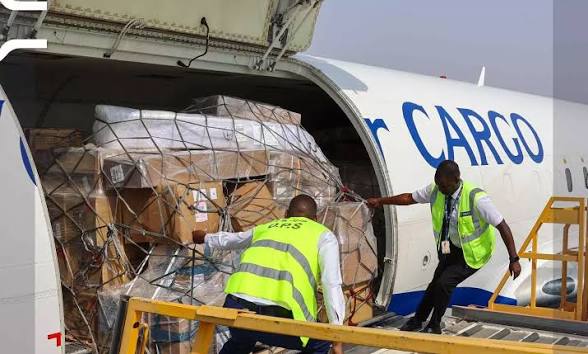
African airlines recorded a 3 per cent year-on-year increase in air cargo demand in August 2026, while cargo capacity across the continent increased by 14 per cent, according to the International Air Transport Association.
The figures show that African aviation continues to experience growth in cargo activity even as airlines deal with high operating costs and changes in international trade.
According to IATA, Africa recorded the highest regional growth in air cargo capacity during the month under review. However, the increase in capacity was significantly larger than the rise in demand, meaning airlines added more cargo space than the increase in goods being transported.
Africa accounted for about 2.1 per cent of the global air cargo market in August.
Globally, air cargo demand increased by 4.4 per cent year-on-year during the month, while available capacity declined slightly by 0.1 per cent. International air cargo demand increased by 5.3 per cent.
The performance of the African market comes against a wider increase in global trade activity. IATA said global trade grew by six per cent year-on-year in July, extending a run of monthly expansion.
The air cargo sector is important for businesses that transport goods requiring speed, including perishable agricultural products, pharmaceuticals, electronics, high-value products and other time-sensitive cargo.
For Africa, increased cargo activity can support trade by connecting producers and exporters with international markets.
However, airlines continue to face high costs. IATA reported that jet fuel prices increased by 8.3 per cent month-on-month in August and were 79.2 per cent higher than a year earlier.
The increase in fuel costs can put pressure on airlines because fuel is one of the biggest operating expenses in aviation.
African passenger traffic also recorded growth during the same period. International passenger demand for African airlines increased by 6.7 per cent year-on-year in August, while capacity rose by 8.3 per cent.
The passenger load factor for African airlines stood at 78.4 per cent, although this represented a decline compared with the same month of the previous year.
The latest figures show that the aviation sector remains closely connected to international trade, manufacturing and consumer activity.
For African economies seeking to increase exports and strengthen connections with global markets, developments in air cargo capacity will remain important because efficient transportation can influence how easily businesses move goods across borders.