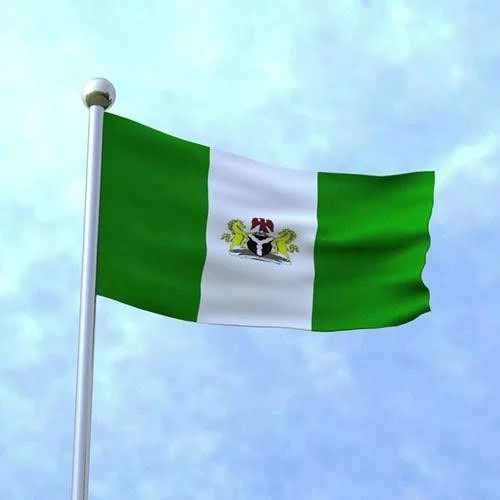
Nigeria is today, October 1, 2026, marking its 66th Independence Anniversary, commemorating the day the country gained independence from British colonial rule in 1960.
The anniversary is being observed as a public holiday across the country, with Nigerians at home and abroad reflecting on the nation’s journey over the past six decades. The Federal Government had earlier declared Thursday, October 1, a public holiday and urged citizens to use the occasion to reflect on the country’s history, unity, sacrifices and future.
President Bola Ahmed Tinubu, in his Independence Day address, said Nigeria had entered a new phase following the difficult period associated with his administration’s economic reforms. He said the focus of government would now be more strongly directed towards translating economic reforms into improved living conditions, job creation, industrial growth and wider opportunities for Nigerians.
The President also acknowledged the hardship experienced by Nigerians during the reform period and said the government was focused on bringing down the cost of living. He highlighted developments in economic growth, inflation, foreign reserves, non-oil exports and investment as indicators of changes taking place in the economy.
Tinubu said the country’s young population must become an important economic asset through employment, skills development and increased opportunities for entrepreneurship and enterprise. He also placed emphasis on industrialization, saying Nigeria needs to produce more locally, create jobs and strengthen its productive capacity.
The anniversary comes at a time when Nigerians continue to deal with concerns surrounding food prices, transportation costs, electricity, employment and household income. While the government has pointed to improvements in several economic indicators, the impact of those changes on ordinary households remains an important part of the national conversation.
The Federal Government has described the 66th anniversary as an opportunity to remember the country’s founding leaders and the sacrifices that led to independence. The Interior Ministry also called on Nigerians to promote unity, peaceful coexistence and mutual respect while contributing to the development of the country.
Nigeria became independent on October 1, 1960, with Abubakar Tafawa Balewa serving as the country’s first Prime Minister. Sixty-six years later, the anniversary provides another opportunity to examine the country’s achievements, challenges and expectations for the years ahead.