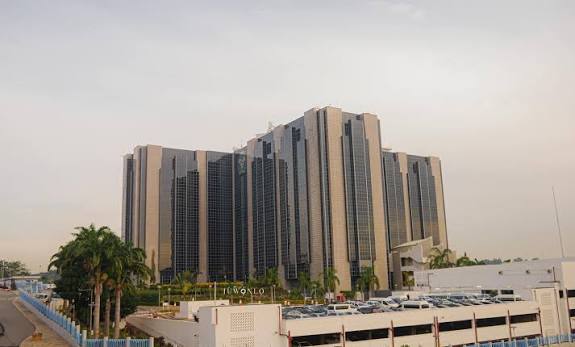
The Central Bank of Nigeria is preparing to withdraw about ₦4.69 trillion from the financial system following a significant increase in liquidity available to banks.
According to a report published today, banking-system liquidity had risen to about ₦8.84 trillion, prompting the CBN to intensify its efforts to manage the amount of money circulating within the financial system.
The latest move is being carried out through the Central Bank’s Open Market Operations, commonly known as OMO. Through OMO transactions, the apex bank sells securities to financial institutions, effectively taking excess cash out of circulation for a period.
Liquidity management is an important part of monetary policy because the amount of money available within the banking system can influence lending, interest rates, inflation and activity in financial markets.
The development comes after the CBN recently reduced its benchmark interest rate by 350 basis points to 23 per cent. That rate cut has raised expectations among businesses and investors that borrowing conditions could gradually become less expensive.
However, the CBN still needs to manage liquidity carefully to prevent excess money in the financial system from creating additional inflationary or foreign-exchange pressures.
The current situation reflects the balancing act facing monetary authorities. On one hand, lower interest rates can support businesses by reducing the cost of borrowing and encouraging investment. On the other hand, the central bank must ensure that liquidity does not grow so rapidly that it creates new pressures on prices or financial stability.
The CBN’s planned ₦4.69 trillion liquidity withdrawal therefore comes against the wider backdrop of monetary policy adjustments aimed at maintaining stability while supporting economic activity.
For commercial banks, the availability of liquidity can influence how much they are able to lend to businesses and individuals. For businesses, changes in interest rates and credit conditions can affect expansion plans, working capital and investment decisions.
The latest figures show that monetary policy remains an important part of Nigeria’s economic adjustment as the country continues to deal with inflation, exchange-rate pressures and the need to increase productive investment.