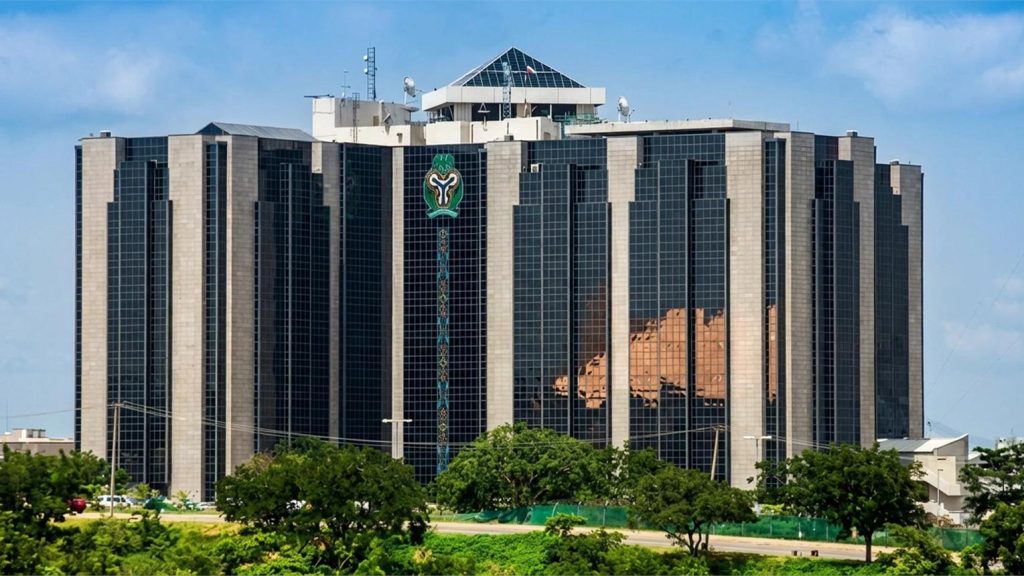
The Central Bank of Nigeria (CBN) has retained its Monetary Policy Rate (MPR) at 23 per cent following its latest Monetary Policy Committee meeting that the apex bank is maintaining its tight monetary policy approach as it continues efforts to control inflation and stabilize the economy.
The decision was reached at the committee’s 308th meeting, held on November 23 and 24, 2026.
The committee also retained the Standing Facilities Corridor at +50 and -300 basis points around the benchmark interest rate. The Cash Reserve Requirement for deposit money banks remains at 45 per cent, while merchant banks will continue to operate with a 16 per cent requirement.
The decision comes amid ongoing concerns about the cost of living, borrowing costs and the financial pressures facing Nigerian households and businesses.
According to the CBN, headline inflation has moderated for five consecutive months, partly reflecting improved exchange-rate stability and the impact of previous monetary policy decisions. However, the committee noted that inflationary pressures remain a concern and that economic uncertainties could slow further improvements.
Maintaining the interest rate at 23 per cent means commercial banks and other financial institutions will continue to operate within a relatively high-interest-rate environment. This could make borrowing expensive for businesses seeking loans to expand their operations and for individuals relying on credit.
For small businesses, particularly those already struggling with operating expenses, access to affordable financing remains a major challenge.
The CBN’s decision also highlights the delicate balance facing policymakers: controlling inflation without placing additional pressure on businesses and consumers who are already dealing with high living costs.
The committee is expected to continue monitoring inflation, exchange-rate movements and other economic developments before making further adjustments to its monetary policy position.
For millions of Nigerians, the bigger question remains whether the gradual moderation in inflation will eventually translate into more affordable food, transportation, housing and other essential goods and services.