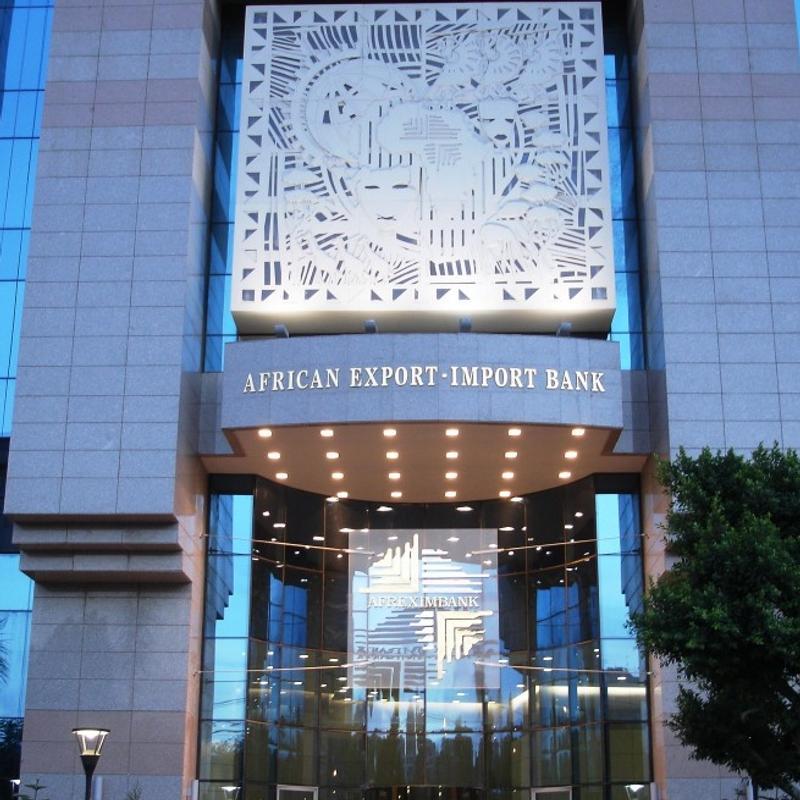
The African Export-Import Bank (Afreximbank) has provided $30 million in financing to support Nigerian small and medium-sized enterprises (SMEs) seeking to expand their businesses and access international markets.
The funding is expected to strengthen the capacity of local businesses involved in exporting goods and services, particularly companies looking to move beyond the Nigerian market and compete across Africa and other international destinations.
The development is significant for Nigeria’s SME sector, which continues to face challenges such as limited access to affordable financing, high operating costs, unstable electricity supply and difficulties meeting international export requirements.
For many small businesses, expanding beyond the domestic market requires substantial investment in production, packaging, logistics, certification and distribution. Access to financing can help businesses address some of these challenges and improve their ability to compete internationally.
Why the funding matters
Small and medium-sized enterprises play an important role in Nigeria’s economy. They contribute to employment generation, commercial activities, innovation and the development of local industries.
However, many Nigerian businesses struggle to secure the financing required to increase production or fulfil large international orders.
The $30 million facility is expected to help address some of these financial limitations by supporting businesses involved in export activities.
With improved access to funding, eligible companies could have more opportunities to purchase equipment, increase production capacity, improve product quality and strengthen their distribution networks.
Opportunities for Nigerian businesses
The financing could be particularly relevant to businesses operating in sectors such as agriculture, food processing, manufacturing, textiles and other non-oil export industries.
Nigeria has significant potential in the export of agricultural products, processed foods, locally manufactured goods and other products that can compete in international markets.
However, businesses must also meet the quality standards, packaging requirements and regulatory conditions of their target markets.
Improving these areas will be important if Nigerian SMEs are to benefit meaningfully from export financing.
What this means for the Nigerian economy
Increasing the number of businesses participating in international trade could help Nigeria diversify its sources of foreign exchange and reduce excessive dependence on crude oil exports.
It could also create employment opportunities, encourage local production and improve the contribution of small businesses to economic growth.
For entrepreneurs, the development highlights the importance of looking beyond local sales and exploring opportunities within the African Continental Free Trade Area (AfCFTA).
Nevertheless, the actual impact of the financing will depend on how it is distributed, the eligibility requirements and whether businesses can access the funds on practical terms.
The $30 million facility represents another effort to strengthen Nigerian businesses and improve their participation in international trade.