The Federal Government has commissioned major electricity infrastructure projects in Gombe State, including a new transmission substation in Billiri and upgraded transformers at the Gombe Transmission Substation, in a move expected to improve electricity supply to more than 70,000 additional households.
The projects were commissioned by the Minister of Power, Joseph Tegbe, as part of the government’s efforts to strengthen Nigeria’s electricity transmission network and address infrastructure challenges affecting electricity distribution.
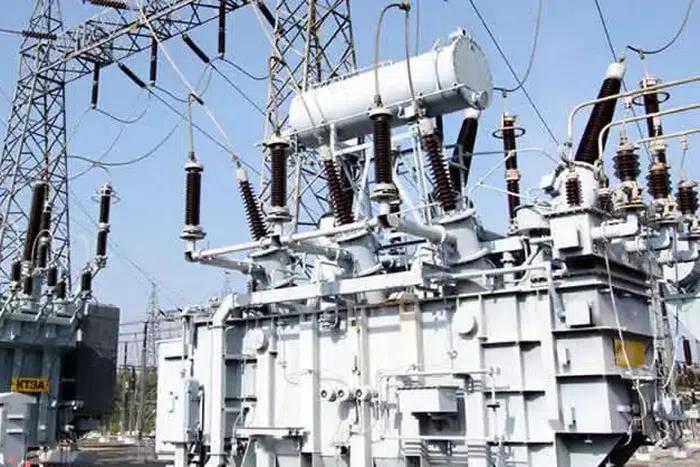
One of the major highlights of the development is the doubling of transmission capacity at the Gombe Transmission Substation from 300MVA to 600MVA.
According to the minister, the upgrade is expected to provide additional electricity transmission capacity and improve supply to households and businesses in Gombe and neighbouring parts of the North-East.
The project also includes the installation of a new 300MVA transformer and the replacement of an existing 30MVA transformer with a larger 100MVA unit.
The improvements are expected to give electricity operators greater flexibility in managing power transmission and meeting growing demand across the region.
New 120MVA substation commissioned in Billiri
In addition to the Gombe upgrade, the Federal Government has commissioned a new 120MVA transmission substation in Billiri Local Government Area.
The facility consists of two 60MVA transformers and is connected to the existing Gombe-Savannah-Yola transmission line.
It is expected to strengthen electricity supply to Billiri, Numan in Adamawa State and surrounding communities.
The minister explained that inadequate electricity infrastructure had limited economic activities in some of these communities, particularly businesses, agricultural enterprises and growing commercial settlements.
With the new facility, the government hopes to improve access to electricity and create an environment where businesses can operate more efficiently.
What the project means for businesses and residents
Electricity remains one of the major challenges facing Nigerian businesses.
Small businesses often spend significant amounts on petrol and diesel to power generators, while manufacturers face additional operating costs when electricity supply is unreliable.
The government believes the new infrastructure will help address some of these challenges by increasing the amount of electricity that can be transmitted to the affected areas.
Improved electricity supply could also support healthcare facilities, schools, agricultural processing businesses and other public institutions.
The Transmission Company of Nigeria (TCN) explained that the Gombe project was necessary because electricity demand in the area had outgrown the capacity of the existing infrastructure.
The upgrade was awarded in June 2021 and completed in June 2026.
Government warns against vandalism
During the commissioning, the Minister of Power appealed to residents to protect the newly installed electricity infrastructure.
He warned that vandalism of transmission facilities could undermine the benefits of the investment and disrupt electricity supply to communities.
The government also called on electricity distribution companies to make effective use of the additional transmission capacity so that the improvements can reach consumers.
What happens next?
Although the commissioning represents an important infrastructure development, residents will ultimately judge the project by the improvement they experience in their daily electricity supply.
The additional transmission capacity must be supported by effective distribution networks and adequate electricity generation.
For communities in Gombe, Billiri and neighbouring areas, the expectation is that the investment will translate into more reliable electricity, improved business activities and better living conditions.
The project also highlights the importance of investing in electricity infrastructure beyond Nigeria’s major commercial cities.