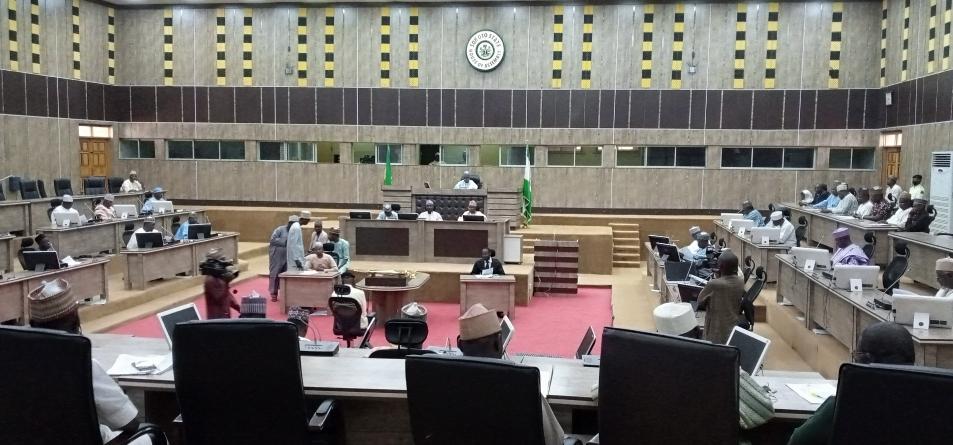
The Sokoto State House of Assembly has unanimously passed a bill seeking to establish state police in the state, adding to growing calls for decentralised policing as Nigeria continues to face security challenges.
The development comes amid concerns over banditry, kidnappings and attacks on communities in different parts of the country.
According to reports, lawmakers supported the proposed legislation as part of efforts to strengthen security and improve the state’s ability to respond to local threats.
The move reflects the ongoing national debate over whether state governments should have greater responsibility for policing within their territories.
Supporters of state police argue that decentralising security operations could improve intelligence gathering, allow officers to respond more quickly to emergencies and help address crimes specific to individual communities.
They also believe locally established police structures could improve cooperation between security agencies and residents.
However, the proposal has raised questions about funding, recruitment, training and the possibility of political interference in security operations.
The passage of the bill by the Sokoto Assembly represents a legislative step towards establishing a state police framework. Further constitutional and legal requirements would still need to be addressed before state police could become fully operational.
The development comes as Nigeria continues to consider broader reforms to its security architecture, with several political leaders and lawmakers advocating changes to the country’s policing system.