
The World Bank Group is targeting up to $5.79 billion in private-sector financing for Nigeria, with investment expected to support digital infrastructure, agriculture, fertiliser production and small businesses.
The initiative, welcomed by President Bola Tinubu, is aimed at attracting private capital to important sectors of the Nigerian economy, improving productivity and creating opportunities for businesses. The plan was reported by Channels Television on October 18, following announcements made during the previous week.
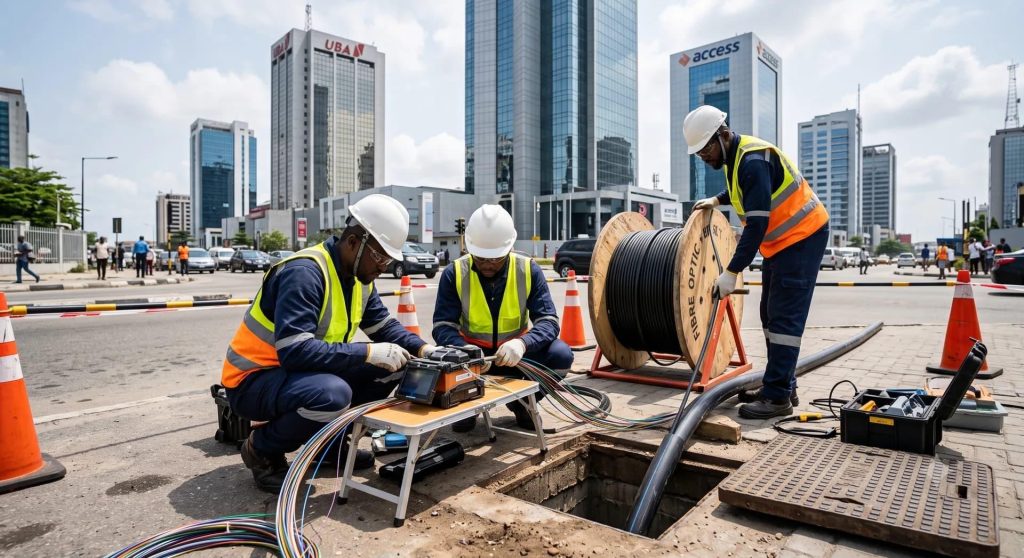
One of the major areas of focus is broadband connectivity. The World Bank’s proposed investment programme includes efforts to expand internet access and improve digital infrastructure, which could benefit businesses, schools, entrepreneurs and communities that still struggle with reliable connectivity.
Broadband expansion could open new opportunities
Reliable internet access has become increasingly important for businesses operating in Nigeria. From online stores and digital payment companies to remote workers and technology startups, many businesses depend on stable connectivity to reach customers and deliver services.
The World Bank’s proposed BRIDGE programme aims to attract up to $1.1 billion in private investment by 2030, with the goal of extending broadband access to an additional 58 million Nigerians, according to Channels Television.
If implemented successfully, the expansion could help more Nigerians participate in the digital economy. Small businesses may find it easier to reach customers outside their immediate communities, while remote workers and freelancers could benefit from improved access to online work opportunities.
However, the impact will depend on how quickly infrastructure is deployed, the affordability of internet services and whether rural and underserved communities receive adequate coverage.
Small businesses remain a major focus
Beyond telecommunications, the broader investment plan also covers agricultural productivity, fertiliser production and financing for small businesses.
Access to funding remains a challenge for many Nigerian entrepreneurs, particularly those who lack sufficient collateral or a long credit history. Additional private investment could help businesses expand their operations, improve their services and create employment opportunities if the funding reaches viable enterprises.
The agricultural component is also significant because improved productivity and access to essential farming inputs can support food production and strengthen supply chains.
What the investment plan means for Nigerians
The proposed financing could create opportunities across several sectors, but the $5.79 billion target should not be interpreted as money already disbursed to businesses or immediately available to the government. It represents a private-financing mobilisation target reported for the programme.
For Nigerians, the key issues to watch will be the projects that receive funding, the jobs created, the expansion of internet coverage and the extent to which small businesses can access the opportunities.
The success of the initiative will ultimately depend on implementation, investor participation and measurable improvements in infrastructure and business activity.
As Nigeria continues to pursue economic growth, investment in digital connectivity and productive businesses could play an important role in supporting entrepreneurship and creating more opportunities for the country’s growing population.