The United Nations has warned that approximately 33.5 million people in Nigeria could face crisis-level hunger or worse during the 2027 lean season, raising fresh concerns about the country’s food security situation.
The projection was contained in a food security outlook published on November 27 by the United Nations Food and Agriculture Organization (FAO) and the World Food Programme (WFP).
According to the assessment, the projected food crisis could affect communities across 26 states and the Federal Capital Territory between June and August 2027, when food supplies traditionally become more limited before new harvests arrive.
The warning highlights the growing pressure on Nigerian households as food prices, transportation costs and other living expenses continue to affect the ability of families to purchase basic necessities.
Northern Nigeria remains particularly vulnerable because of insecurity, displacement, reduced agricultural activities and difficulties accessing farmland. In several communities, farmers have struggled to cultivate their land because of attacks, kidnapping threats and disruptions to farming activities.
The situation has also affected agricultural production and food distribution, making it more difficult for vulnerable households to obtain affordable food.
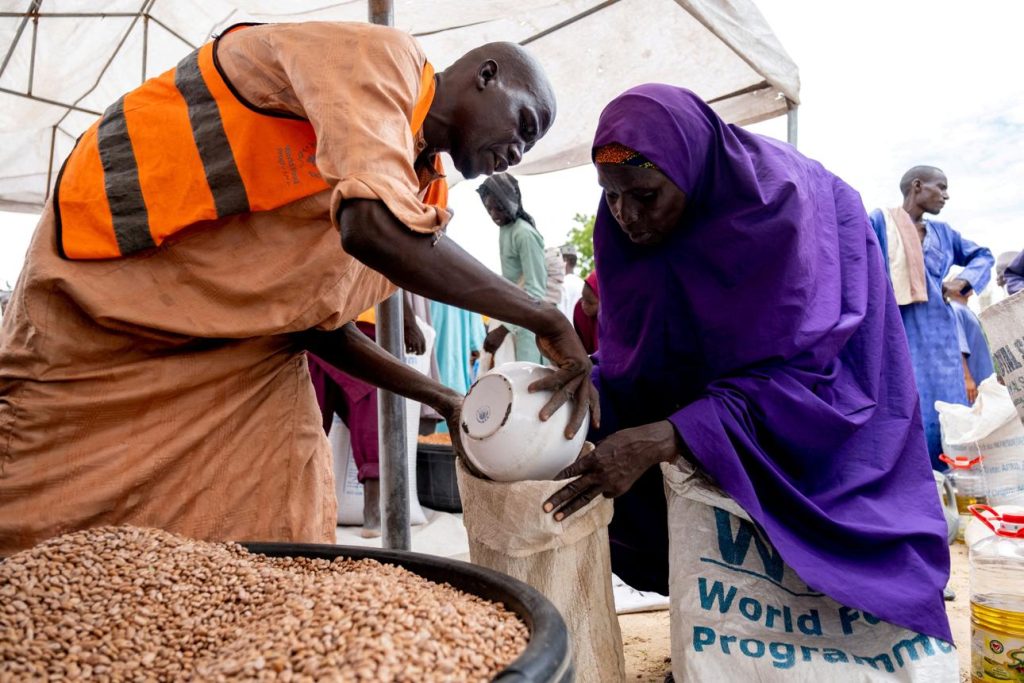
The UN agencies warned that urgent interventions would be necessary to prevent the projected situation from worsening. Such measures include providing emergency food assistance, supporting farmers, improving agricultural production and strengthening livelihood programmes.
The projection is a warning about potential conditions in 2027, rather than a statement that all 33.5 million people are currently experiencing acute hunger.
Why this matters: Nigeria’s food security challenge could become more serious next year if immediate action is not taken. The situation could increase pressure on low-income households, worsen child malnutrition and make essential food items even less affordable.