
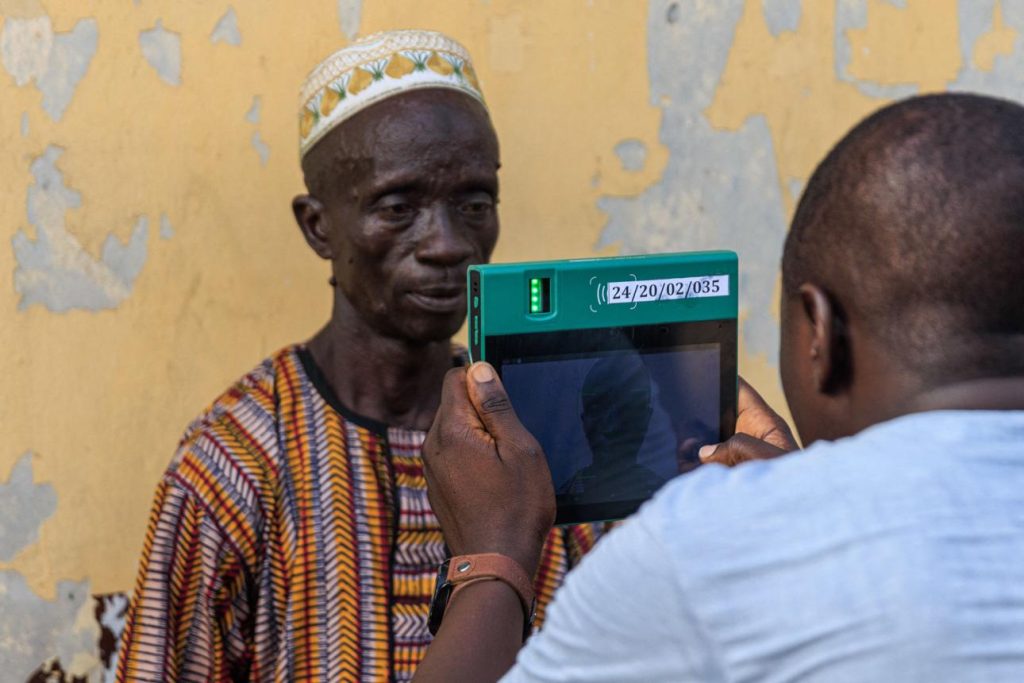
The Independent National Electoral Commission (INEC) has commenced a nationwide mock exercise to test its electronic voter accreditation and results transmission systems ahead of Nigeria’s 2027 general elections.
The exercise, scheduled for Saturday, November 28, is taking place across selected polling units in the 36 states of the federation and the Federal Capital Territory.
According to reports, the exercise covers 17,676 polling units, with two polling units selected from each of Nigeria’s 8,838 registration areas.
The exercise is designed to assess the performance of the Bimodal Voter Accreditation System (BVAS) and the INEC Election Results Viewing Portal (IReV), which will play important roles in the accreditation of voters and electronic transmission of election results.
INEC explained that the mock exercise will allow electoral officials to identify possible technical challenges, including network interruptions, equipment failures and delays in transmitting results from polling units.
The commission is also testing a new electronic result sheet, known as Form eEC8A, which is expected to improve the accuracy of result recording and reduce errors during the electoral process.
The exercise will run from 8:30 a.m. to 2:30 p.m. Registered voters in the selected polling units are expected to participate in the accreditation process using the BVAS machines. However, the exercise is not an actual election, as the ballots will contain fictitious political party names.
The nationwide test comes as political parties and electoral stakeholders intensify preparations for the 2027 general elections. INEC is expected to use the outcome to identify areas requiring improvement before the main elections.
Nigeria’s 2023 general elections generated considerable debate over the electronic transmission of results, particularly following complaints about delays and difficulties accessing results on the IReV portal.
The latest exercise is therefore an important opportunity for the electoral commission to demonstrate that its technology can operate effectively across different locations, including areas with limited network connectivity.
INEC’s ability to address these concerns will be closely watched by political parties, election observers and millions of Nigerians who want a transparent and credible electoral process.
Why this matters: The credibility of the 2027 elections will depend partly on how effectively INEC manages voter accreditation and results transmission. Today’s exercise could provide an early indication of the commission’s preparedness and whether lessons from previous elections have been addressed.