
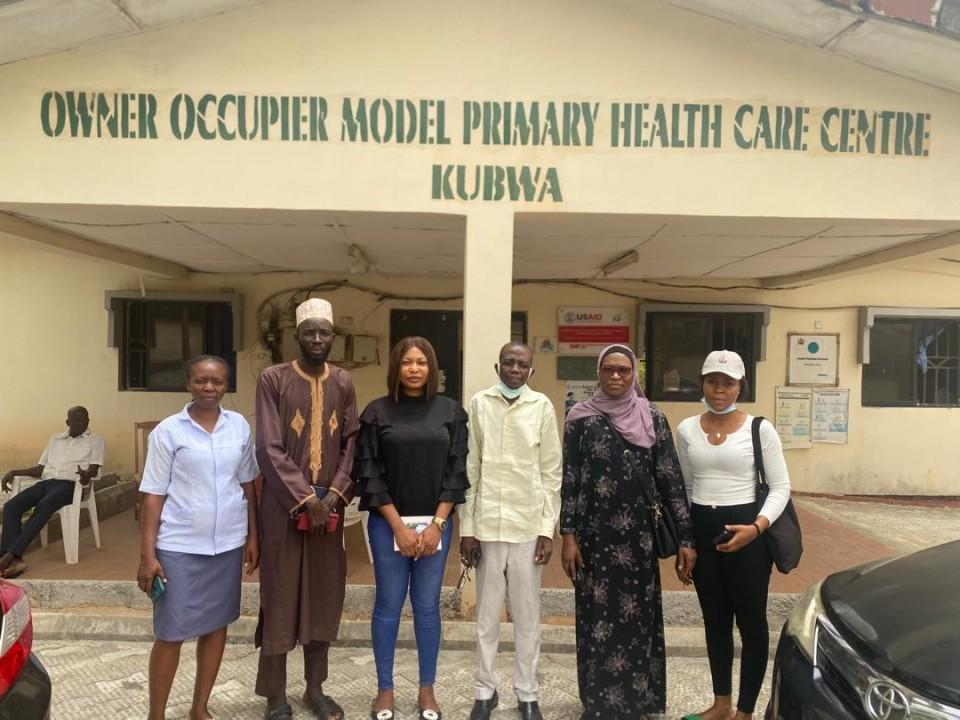
The Federal Capital Territory Administration (FCTA) has announced the upgrade of 20 primary healthcare centres across Abuja, as part of efforts to improve access to medical services and reduce maternal and infant deaths.
The initiative covers all six area councils of the Federal Capital Territory and is expected to strengthen healthcare delivery, particularly for women, children and residents of communities with limited access to hospitals.
The Mandate Secretary for Health Services and Environment, Dr Adedolapo Fasawe, disclosed the development on Monday during the inauguration of a renovated primary healthcare centre in Kubwa.
According to the administration, the upgraded facilities have received improvements aimed at making healthcare services more accessible and reliable, including the provision of medical equipment, electricity, water supply and other essential infrastructure.
Some of the facilities have also received solar power systems, backup generators and staff accommodation to support continuous healthcare delivery.
The administration said the improvements were designed to help the centres provide round-the-clock services, ensuring that residents can access medical attention even during emergencies outside regular working hours.
Free maternal healthcare receives attention
One of the major priorities of the intervention is improving maternal healthcare and making essential services more accessible to pregnant women.
Maternal healthcare remains an important public health concern in Nigeria, where many women, particularly those in underserved communities, face difficulties accessing quality antenatal care, skilled birth attendants and emergency obstetric services.
By improving primary healthcare facilities, the FCTA hopes to strengthen services available to expectant mothers and encourage more women to seek medical attention throughout pregnancy.
The administration has also highlighted the importance of improving healthcare services for children, particularly immunisation and malaria prevention.
World Bank-supported programme
The rehabilitation project is linked to the World Bank-supported IMPACT programme, which focuses on strengthening healthcare delivery, improving immunisation coverage and supporting malaria prevention.
The intervention is part of broader efforts to improve primary healthcare services and address gaps in medical infrastructure.
However, upgrading buildings and providing equipment are only part of the solution. The availability of qualified healthcare professionals, essential medicines and consistent funding will also determine how effective the centers become.
What this means for Abuja residents
The development could make a significant difference for residents who previously had to travel longer distances to access basic medical services.
For pregnant women, mothers with young children and people living in communities with limited healthcare facilities, improved primary health centres could provide easier access to essential services.
The administration’s announcement is also expected to increase attention on the condition of primary healthcare facilities across other parts of Nigeria.
Although the upgrades are a positive development, residents will be looking to see whether the facilities maintain adequate staffing, operate consistently and deliver the promised services.
The bigger expectation is that improved healthcare infrastructure will translate into better medical outcomes, fewer preventable deaths and more accessible healthcare for ordinary Nigerians.