The Federal Government has ruled out plans to increase electricity tariffs in 2027, offering some relief to households and businesses already struggling with the high cost of living, electricity bills and rising operating expenses.
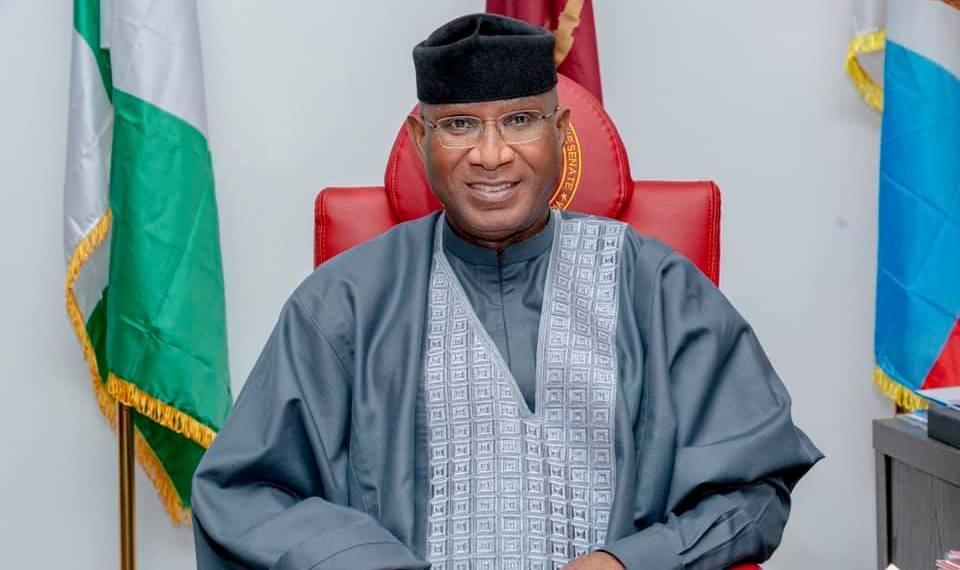
The Minister of Power, Joseph Tegbe, disclosed the government’s position while addressing concerns about the country’s electricity sector and the outstanding debts owed to power generation companies.
He said the government was not planning another tariff increase, adding that officials were exploring alternative measures to address the financial challenges facing the power sector.
The announcement comes amid growing concerns among Nigerians over the cost of electricity, particularly for businesses that depend heavily on power to operate and households that rely on generators whenever public electricity supply is unavailable.
For many Nigerians, electricity costs have become a significant part of monthly expenses, with some households forced to reduce consumption or rely on alternative sources of power.
Businesses, including supermarkets, restaurants, manufacturing companies, salons and small-scale enterprises, have also complained about the financial burden of maintaining stable electricity.
Government’s approach to the power-sector debt
Nigeria’s electricity industry has continued to face financial challenges, particularly debts owed to generation companies for electricity supplied to the national grid.
The government has reportedly paid ₦1.23 trillion out of a negotiated ₦3.3 trillion debt, with plans to address the outstanding balance.
The minister’s position suggests that the government is looking at ways to improve the financial sustainability of the sector without immediately placing additional pressure on electricity consumers through higher tariffs.
One of the options being considered involves addressing gas supply and pricing for electricity generation companies, as gas remains a major source of power generation in Nigeria.
However, Nigerians will still expect the government to address the bigger problem of unreliable electricity supply. Keeping tariffs unchanged would provide limited relief if households and businesses continue spending heavily on fuel, generators, batteries and alternative power systems.
What this means for Nigerians
If the government maintains its position, electricity consumers may not face another planned tariff increase in 2027. However, the announcement does not automatically mean electricity bills will decrease or power supply will improve immediately.
Consumers will still be watching for official regulatory decisions, changes in electricity rates and improvements in the amount of power supplied to homes and businesses.
The government says it is exploring other ways to deal with the financial challenges in the sector while avoiding another tariff increase.
The major expectation from Nigerians is that any financial intervention should eventually translate into more reliable electricity, reduced dependence on generators and a more affordable cost of living.