The Chairman of the Economic and Financial Crimes Commission (EFCC), Ola Olukoyede, has announced plans to intensify the commission’s crackdown on illegal mining in Nigeria, warning that individuals and organisations financing the activities will also face investigation and possible prosecution.
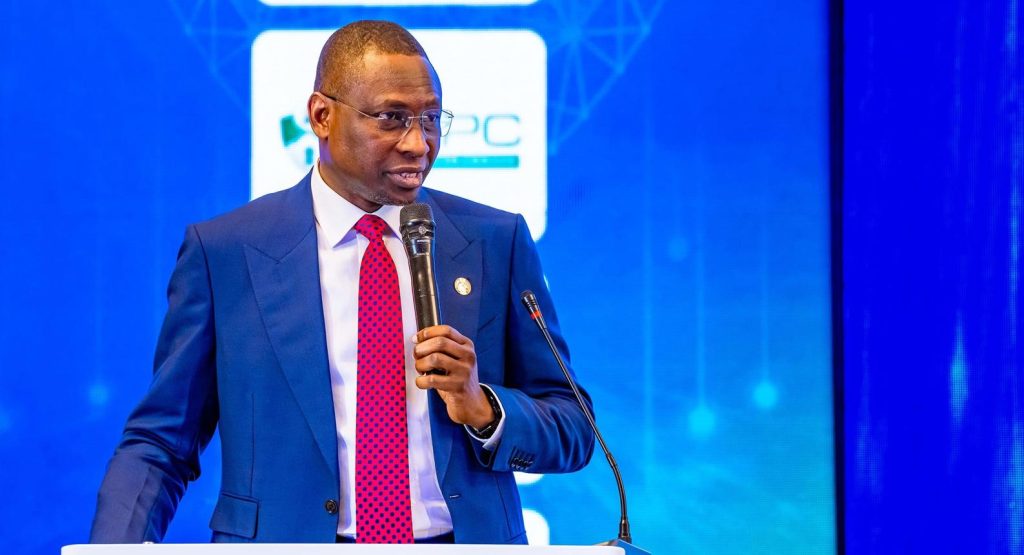
Olukoyede made the announcement on Tuesday in Ilorin, Kwara State, while delivering a keynote address at a conference on illegal mining, corruption and its effects on the environment.
He explained that the fight against illegal mining would no longer focus only on individuals working at mining sites but would extend to the powerful networks providing financial support, purchasing illegally extracted minerals and helping criminal operations continue.
According to him, illegal mining in Nigeria involves several groups, including local and international financiers, mineral buyers, transporters and public officials who allegedly assist or benefit from the activities.
The EFCC chairman stressed that arresting miners alone would not solve the problem because those financing and benefiting from the illegal business often operate behind the scenes.
He said the commission would adopt a stronger financial investigation strategy to identify the individuals controlling the operations, trace their money and recover proceeds linked to illegal mining.
EFCC records 52 illegal mining cases
Providing details of the commission’s activities, Olukoyede disclosed that the EFCC recorded 52 illegal-mining cases between October 2023 and July 2026.
He also revealed that the commission secured the forfeiture of 102 tonnes of solid minerals during its enforcement activities.
Nigeria is richly endowed with mineral resources, including gold, lithium, tin, lead and zinc. However, illegal extraction and smuggling have continued to prevent the country from fully benefiting from these natural resources.
The EFCC chairman warned that illegal mining goes beyond economic losses, explaining that the activities can contribute to insecurity, violence, environmental destruction and the exploitation of local communities.
Government officials and mineral buyers under scrutiny
Olukoyede called for stronger cooperation between government agencies, mining regulators, financial institutions, security agencies and host communities.
He maintained that officials who compromise their positions to support illegal mining would also be investigated.
The three-day conference was organised by the Michael Imoudu National Institute for Labour Studies in partnership with the Human and Environmental Development Agenda.
Participants discussed the relationship between corruption, illegal mining, insecurity and environmental degradation, as well as the need to protect workers and communities affected by mining activities.
The EFCC chairman also received a Fellowship Award from the institute in recognition of his contributions to the fight against corruption.
The latest announcement signals a tougher approach by the commission, with particular attention on the financial networks supporting illegal mining across the country.
If effectively implemented, the crackdown could help Nigeria protect its mineral resources, improve government revenue and reduce the activities of criminal networks operating within the mining sector.