
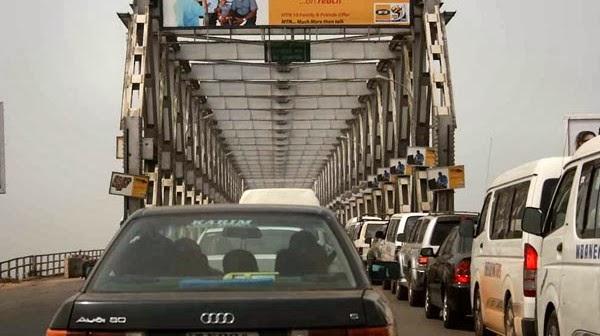
The Federal Government is considering a ban on heavy-duty vehicles and articulated trucks from using the First Niger Bridge as part of efforts to reduce persistent traffic congestion and improve movement between the South-East and South-South regions of Nigeria.
The proposed restriction is expected to address the growing traffic challenges experienced by motorists and commuters using the bridge, which connects Asaba in Delta State to Onitsha in Anambra State.
According to a report published by PUNCH on Wednesday, November 4, the government is considering the measure following concerns over the impact of heavy vehicles on traffic movement around the bridge.
The First Niger Bridge remains one of Nigeria’s most important transport routes, serving as a major connection for commercial activities, passenger movement and the transportation of goods between different parts of the country.
Thousands of vehicles use the bridge regularly, including private cars, commercial buses, tankers and trucks transporting agricultural products, industrial materials and other essential goods.
However, the increasing volume of heavy-duty vehicles has contributed to traffic congestion, particularly during busy periods when motorists experience long delays while attempting to cross between the two states.
Why the government is considering the ban
Heavy-duty trucks require more road space and often move at slower speeds compared to smaller vehicles. When several articulated vehicles use the same route, they can contribute significantly to traffic congestion.
The situation becomes more difficult when trucks experience mechanical problems, break down or attempt to manoeuvre through already congested sections of the road.
The proposed restriction is therefore intended to improve traffic flow and make the bridge more accessible to other road users.
The government is also expected to consider alternative arrangements for heavy-duty vehicles to ensure that commercial transportation is not unnecessarily disrupted.
What it means for businesses and motorists
The First Niger Bridge plays an important role in the movement of goods across Nigeria, particularly for businesses operating in the South-East and South-South.
A restriction on heavy trucks could affect logistics companies, manufacturers, traders and transport operators who depend on the route for daily business activities.
However, if properly implemented alongside alternative transport arrangements, the measure could reduce travel delays and improve movement for commuters.
Businesses may also need to adjust delivery schedules and transportation routes depending on the final decision.
Government faces pressure to improve road transportation
Nigeria continues to face challenges associated with road congestion, ageing infrastructure and increasing vehicle numbers.
Major transport routes connecting commercial centres are particularly vulnerable to traffic disruptions, which can affect productivity and increase the cost of moving goods.
The proposed restriction on the First Niger Bridge reflects the government’s efforts to manage traffic around critical infrastructure.
For now, the proposal remains under consideration, and further details are expected regarding the implementation timeline, affected vehicle categories and possible alternative routes.
