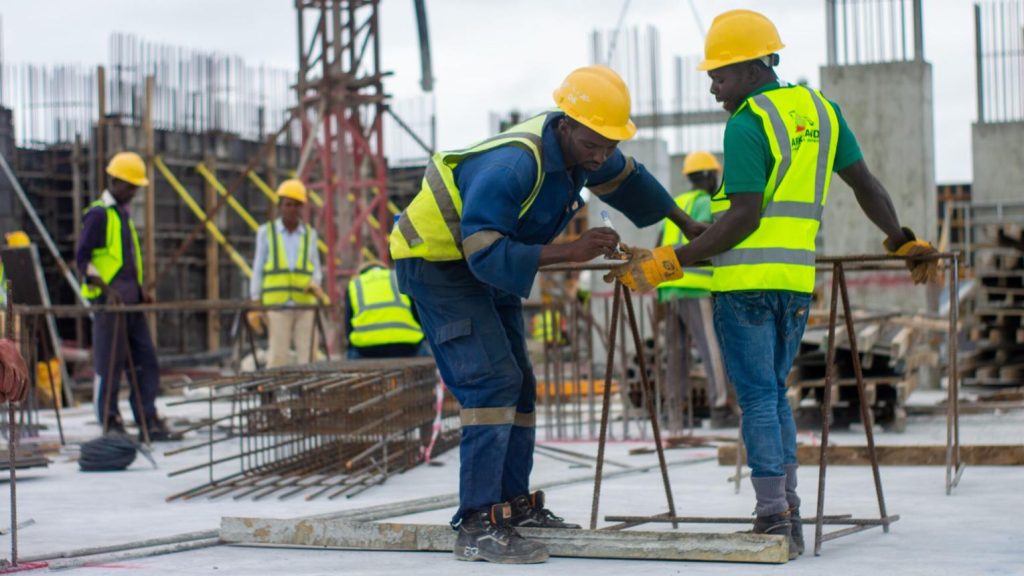
Construction companies and property developers across Nigeria have been directed to suspend non-essential heavy outdoor activities between 12 noon and 3:30 pm as concerns grow over the health and safety of workers exposed to extreme weather conditions.
The directive was issued by the Sector Skills Council for Building in Nigeria in a national safety advisory released on Tuesday.
The council warned that rising temperatures, prolonged dry spells, dusty conditions and unexpected flash flooding are creating dangerous working conditions for construction workers across the country.
According to the council, prolonged exposure to intense afternoon heat could expose workers to heatstroke, dehydration, respiratory illnesses and workplace accidents.
The advisory calls on construction companies, contractors and property developers to reorganise their daily work schedules to reduce the risks associated with extreme temperatures.
Mandatory breaks and access to drinking water
Under the new directive, construction companies are expected to introduce mandatory rest periods for workers during the hottest hours of the day.
Employers have also been advised to provide sufficient drinking water and shaded areas where workers can rest before returning to their duties.
The council stressed that protecting workers should remain a priority, particularly for people whose jobs require prolonged exposure to direct sunlight.
Construction workers are among the groups most exposed to extreme weather because their responsibilities often involve carrying heavy materials, operating machinery, climbing structures and working in open spaces.
The council’s President, Samson Ameh Opaluwah, warned that ignoring the risks could affect workers’ health, reduce productivity and threaten their livelihoods.
Why the directive matters
Nigeria’s construction industry employs thousands of workers across building projects, road construction, infrastructure development and private property development.
However, many construction workers operate under difficult conditions, with limited access to proper protective equipment, drinking water and adequate resting facilities.
Extreme heat can place additional pressure on the body, especially when workers are performing physically demanding tasks for several hours.
The council believes that adjusting working hours and introducing proper safety measures will help reduce preventable workplace injuries and health emergencies.
Companies expected to comply
The directive is expected to affect construction sites across the country, including projects involving private developers and contractors.
Companies have been urged to review their occupational safety procedures and ensure that supervisors understand the importance of enforcing rest breaks.
The council also wants employers to pay closer attention to weather conditions and take appropriate precautions when heavy rainfall, dust and extreme temperatures create additional hazards.
The development highlights the growing need for Nigerian businesses to take workplace safety seriously as changing weather conditions continue to affect different sectors of the economy.
Although construction deadlines and project costs remain important concerns for developers, the council maintains that workers’ health should not be sacrificed in the process.