
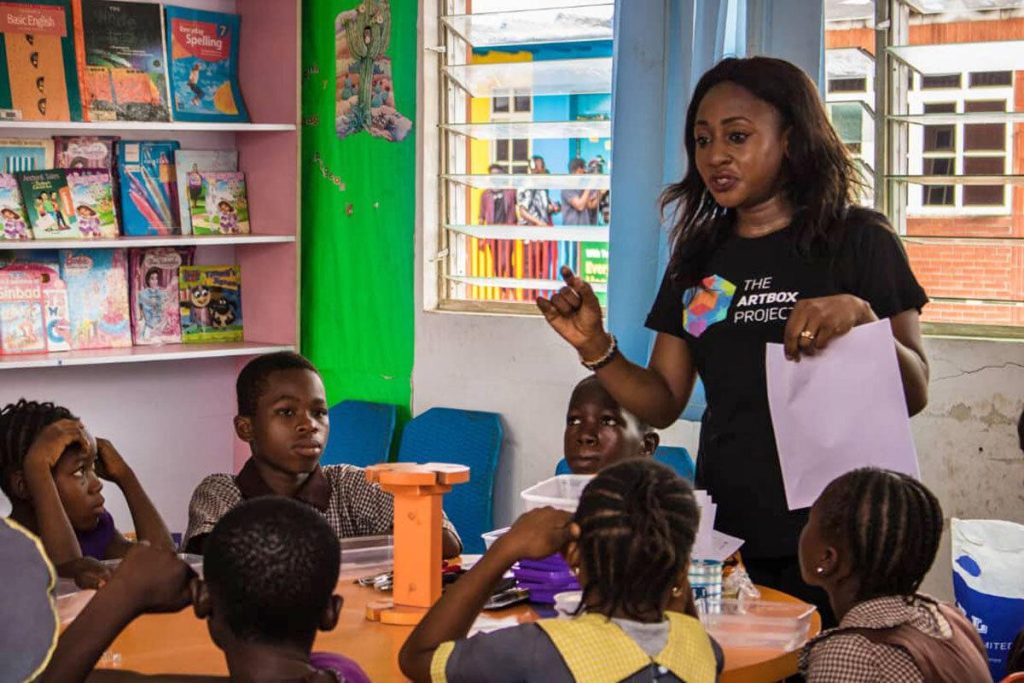
A non-governmental organisation has unveiled a new literacy programme aimed at improving access to education for children involved in street trading and other informal activities across Nigeria.
The initiative is expected to support children who spend much of their time working on the streets instead of attending school, providing them with opportunities to develop basic reading, writing and communication skills.
The programme comes amid growing concerns about the number of Nigerian children who remain outside the formal education system because of poverty, family financial difficulties and limited access to learning facilities.
Street trading remains a common sight in several Nigerian cities, where children can be seen selling food, household items, drinks and other products along busy roads, markets and residential areas.
For many of these children, contributing to their families’ income has become a daily responsibility, leaving little time for regular schooling.
The newly introduced initiative seeks to address this challenge by bringing learning opportunities closer to vulnerable children rather than relying entirely on traditional classroom arrangements.
Addressing the education gap
Children involved in street trading often face several barriers to education, including financial hardship, lack of school materials, unstable family circumstances and pressure to support their households.
These challenges can affect their ability to acquire basic educational skills and limit their future employment opportunities.
Literacy programmes can help bridge this gap by providing flexible learning arrangements for children who may not be able to attend conventional schools consistently.
Basic literacy is particularly important because it enables children to read, communicate effectively, understand written information and develop the foundation needed for further education.
Why the initiative matters
Nigeria continues to face significant challenges with out-of-school children. Poverty, insecurity, displacement and inadequate educational infrastructure have contributed to the problem in different parts of the country.
Children working in markets and on busy streets are particularly vulnerable to exploitation, unsafe working conditions and missing out on essential childhood experiences.
Providing access to education could help reduce their long-term dependence on street trading and create better opportunities for their future.
The initiative also highlights the role non-governmental organisations can play in supporting government efforts to improve educational access, particularly among disadvantaged communities.
The bigger picture
While launching literacy programmes is an important step, education stakeholders believe that sustained intervention is necessary to achieve meaningful results.
Support from parents, community leaders, schools, government agencies and private organisations will be important in ensuring that children who benefit from such programmes can continue their education.
The success of the initiative will ultimately depend on its reach, the number of children enrolled and whether participants receive continued educational support.