
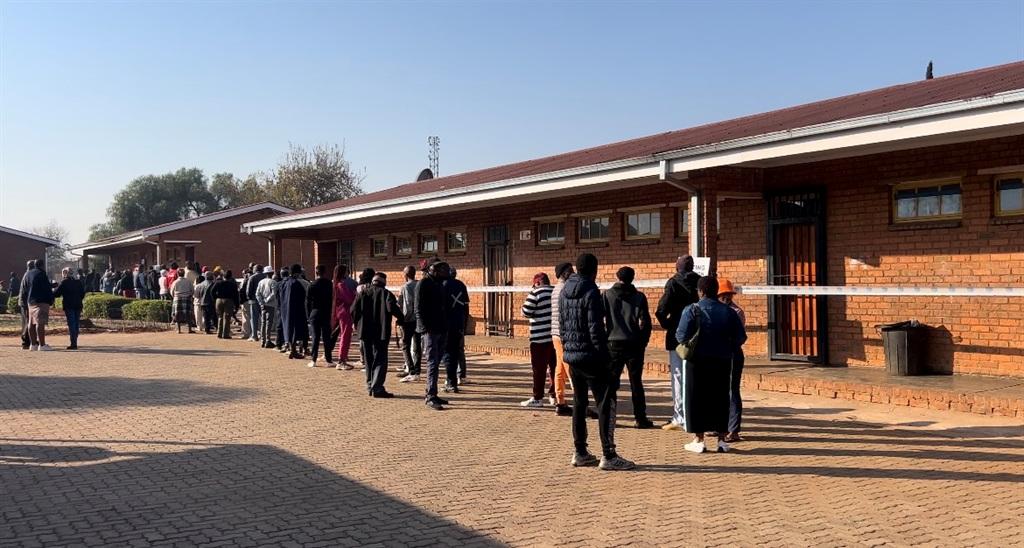
South Africans have headed to the polls in local government elections amid growing dissatisfaction with the country’s ruling African National Congress (ANC), as voters demand improvements in public services, electricity supply, water access and security.
The elections, taking place on Wednesday, November 4, are being closely watched because they could further weaken the political influence of the ANC, which has governed South Africa since the end of apartheid in 1994.
The ruling party is facing increasing pressure from opposition parties as frustration grows over corruption allegations, unemployment, crime and the deteriorating condition of public infrastructure.
According to Reuters, the ANC is expected to face a difficult electoral contest, with projections suggesting that its support could fall below one-third of the vote in some assessments.
Public dissatisfaction becomes a major election issue
For many South Africans, the condition of basic public services has become one of the most important issues influencing their voting decisions.
Several communities have complained about unreliable water supplies, electricity interruptions, poor roads and inadequate waste management.
Unemployment and the rising cost of living have also contributed to public frustration, particularly among young people who continue to struggle to find stable employment.
The ANC has acknowledged the challenges facing local governments but maintains that it remains committed to improving service delivery and addressing the country’s economic difficulties.
Opposition parties, however, have argued that the ruling party has had sufficient time to address these problems and should be held accountable for its performance.
Opposition parties seek political gains
The Democratic Alliance (DA), Economic Freedom Fighters (EFF) and other political parties are hoping to increase their influence in municipalities across the country.
The DA has positioned itself as an alternative government, particularly in areas where residents have expressed dissatisfaction with the ANC’s administration.
Meanwhile, the EFF has continued to campaign on issues involving economic inequality, unemployment and access to basic services.
The election is expected to provide an important indication of how South Africans feel about the country’s political leadership ahead of future national political contests.
Why the election matters beyond South Africa
South Africa remains one of Africa’s largest economies and an influential political and economic power on the continent.
Changes in its local political landscape could affect investment confidence, government priorities and the country’s approach to economic development.
The election is also significant for the wider African region, where political parties across several countries are facing growing pressure from voters demanding better governance and improved living conditions.
The results will determine the political leadership of municipalities and provide a clearer picture of the ANC’s remaining support at the grassroots level.