
Nigeria’s government has said the country’s next phase of economic growth will increasingly depend on private investment, as authorities seek to turn recent economic reforms into improved living conditions for Nigerians.
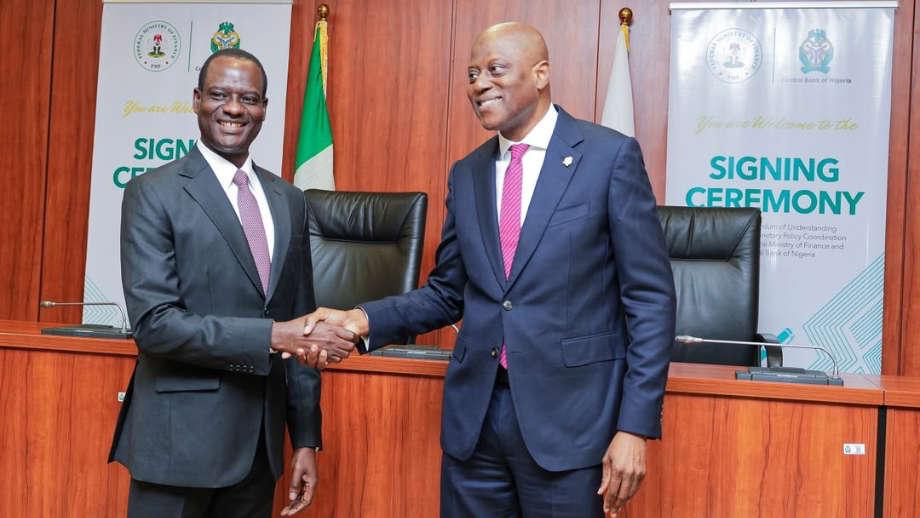
Finance Minister Taiwo Oyedele said the government was looking to attract more domestic and foreign investment rather than relying heavily on additional borrowing.
Speaking about the country’s economic direction, Oyedele pointed to reforms introduced under President Bola Tinubu, including the removal of the petrol subsidy and changes to the foreign exchange system.
According to the minister, these measures have helped improve public finances, strengthen foreign reserves and attract investment.
The government is now focused on translating these developments into stronger economic growth, job creation and better living standards.
Oyedele also said Nigeria was working towards reducing inflation, which has placed considerable pressure on households and businesses.
The minister noted that approximately 10 million households currently receive cash transfers as part of efforts to provide support to vulnerable Nigerians.
Despite the challenges, the government is targeting average annual economic growth of around 7 per cent over the next five years.
The International Monetary Fund has projected Nigeria’s economy to grow by 4.2 per cent in 2026 and 4.3 per cent in 2027.
The government believes increased investment in businesses, infrastructure and productive sectors could help accelerate economic expansion and create more opportunities for Nigerians.
However, the success of the strategy will depend on whether investment translates into meaningful employment, stronger purchasing power and improved access to essential services.
For Nigerians, the major expectation is that economic progress will eventually reflect in everyday life through better opportunities, more stable prices and improved income.