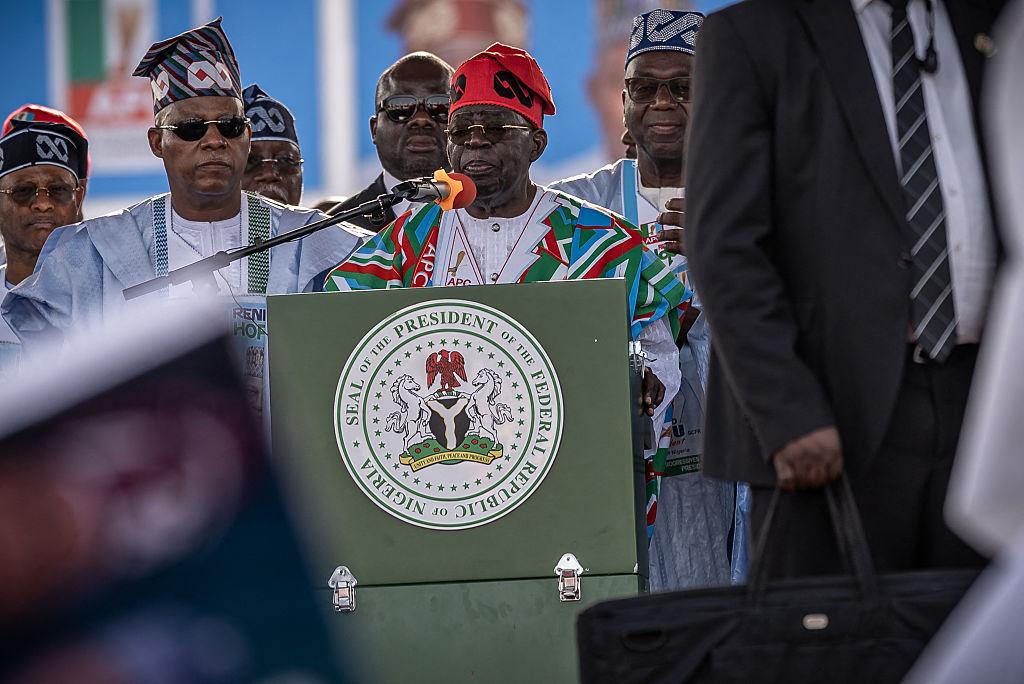

Nigeria has moved a step closer to establishing state police after 24 state assemblies approved a constitutional amendment seeking to introduce state-controlled policing across the country.
The development represents a significant moment in Nigeria’s ongoing security debate, as lawmakers continue to consider ways to address rising concerns about insecurity, criminal activities and the challenges facing the country’s existing policing system.
According to reports published on Monday, October 26, the amendment has secured approval from 24 of Nigeria’s 36 state assemblies, meeting the constitutional requirement of support from at least two-thirds of the states.
The proposal is expected to return to the National Assembly for further legislative steps before it can be transmitted to President Bola Tinubu for assent.
State police have been discussed for years as a possible solution to Nigeria’s security challenges. Supporters believe allowing states to establish their own police structures would improve responses to local crimes and make security operations more effective.
Under the proposed arrangement, state governments would have greater responsibility for addressing security concerns within their territories, while the existing federal police structure would continue to operate.
Advocates of the reform argue that Nigeria’s current policing system places considerable pressure on the federal government, which is responsible for security operations across the country’s 36 states and the Federal Capital Territory.
They believe decentralising policing could allow officers to respond more quickly to incidents, improve intelligence gathering and strengthen relationships between security personnel and local communities.
However, the proposal has also generated concerns about accountability, political interference and the possibility of state governments using police structures against political opponents.
These concerns have made the question of how state police would operate an important part of the constitutional reform discussion.
The National Assembly will still need to complete the required legislative process, while the proposed National Policing Bill is expected to provide additional details about how the system would function.
The development comes amid continuing security concerns across Nigeria, including attacks on communities, kidnapping and violent criminal activities in several regions.
If the amendment eventually becomes law, it could represent one of the most significant changes to Nigeria’s policing structure since the country adopted its current constitutional framework.
For now, the approval by 24 state assemblies marks an important legislative milestone, but the implementation of state police will depend on completing the remaining constitutional and legal requirements.