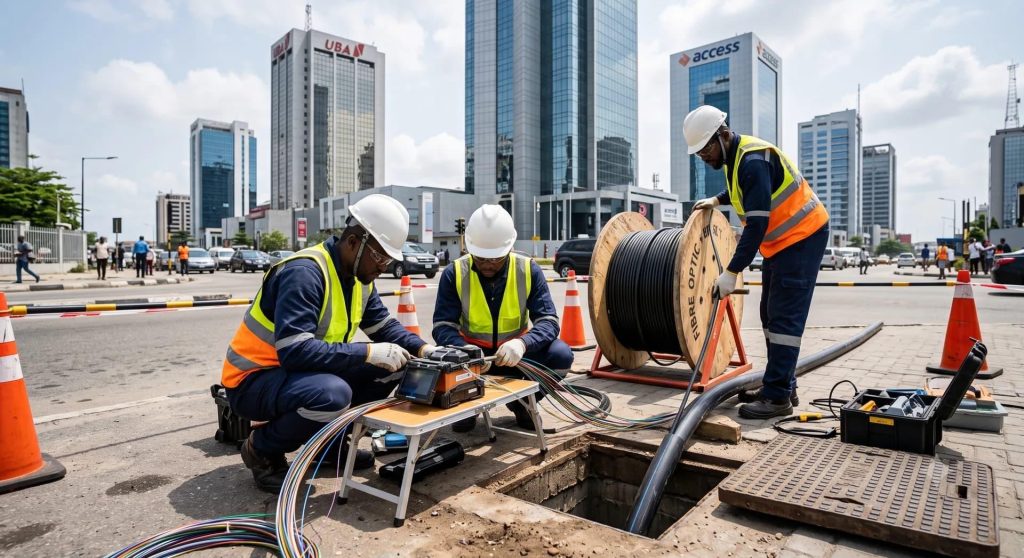
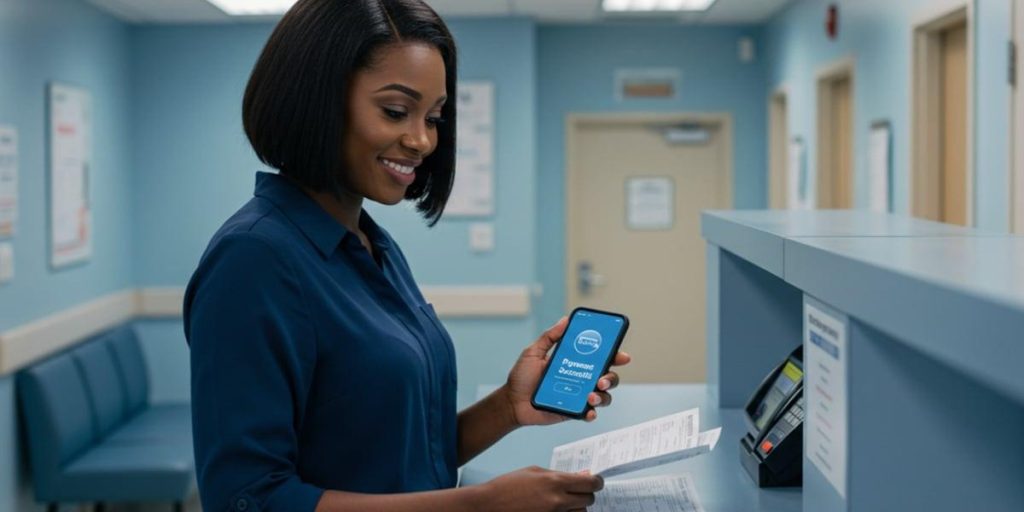
The Nigerian Communications Commission (NCC) is working with the Central Bank of Nigeria (CBN) to expand a fraud detection system across more sectors, in an effort to protect Nigerians from financial fraud and unauthorised access to digital services.
The initiative is expected to help businesses identify risks associated with recycled telephone numbers and numbers previously flagged for suspicious activities. The development comes as mobile phone numbers remain an important part of how Nigerians access bank accounts, receive transaction alerts and verify their identities when using digital platforms.
NCC Executive Vice Chairman Aminu Maida disclosed the plan on October 20 at the 95th Telecom Consumer Parliament in Lagos. He explained that the commission intended to extend its Telecommunications Identity Risk Management System (TIRMS) to additional sectors where telephone numbers are used to identify customers and conduct transactions.
Why recycled phone numbers can create problems
In Nigeria, a mobile number may be reassigned to a new customer after the previous owner stops using it. Problems can arise when the old number remains linked to bank accounts, online services or other personal records.
For example, a person who receives a previously used number might start receiving messages intended for the former owner. If a financial institution or online service fails to verify the identity of the person making a request, the situation could create opportunities for fraud or unauthorised access.
The proposed expansion aims to improve how organisations identify such risks before allowing sensitive transactions or account changes.
What the new system could mean for customers
Expanding the system could help banks, telecommunications companies and other participating organisations make better-informed decisions when verifying customers.
It may also strengthen cooperation between financial institutions and telecom operators when investigating suspicious activity involving mobile numbers.
However, the initiative should not be interpreted as a guarantee that every fraudulent transaction will be prevented. Customers will still need to protect their passwords, PINs and one-time passwords, and report suspicious messages or transactions to their banks immediately.
What happens next?
The NCC says it intends to build on its existing collaboration with the CBN and extend the system to more sectors. The practical impact will depend on how the expansion is implemented and how effectively participating organisations use the information available to them.
For Nigerians who depend on mobile banking and digital payments, stronger identity checks could provide an additional layer of protection as financial services increasingly move online.