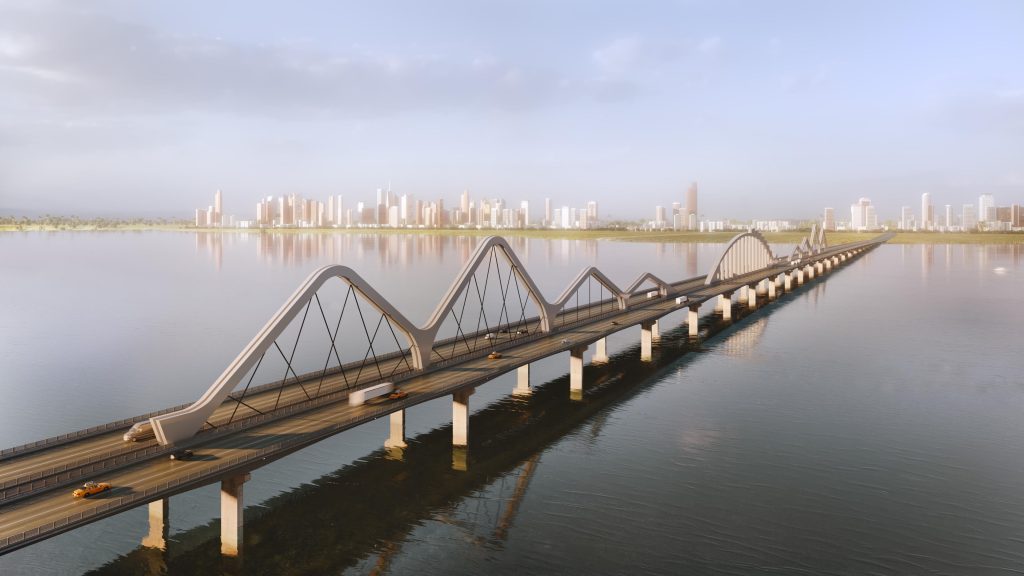
The Lagos State Government says private investment and future toll revenue will play a major role in financing the proposed Fourth Mainland Bridge, a major infrastructure project expected to provide another route across Lagos and ease pressure on existing roads.
Deputy Governor Obafemi Hamzat disclosed the funding plan during an interview on Lagos Television on Tuesday, October 20, 2026. He explained that the state intends to work with private investors rather than rely entirely on government funds or take on additional borrowing to finance the project.
The bridge is an important proposed transport link for Lagos, a city where traffic congestion affects commuters, businesses and the movement of goods. However, building a project of this size requires substantial funding, making the search for investors a central part of the government’s plan.
Why toll payments are important
According to Hamzat, potential investors need to understand how they will recover the money they invest and earn returns. Toll payments could provide a revenue stream to support that investment.
He said prospective investors from Portugal, China and other countries were being approached as the state worked towards securing financing. The government is also presenting traffic data to demonstrate the number of road users who could use the bridge.
The deputy governor acknowledged that motorists’ willingness to pay tolls is an important concern for investors. If investors are uncertain about whether toll revenue can be collected consistently, they may be less willing to commit the money needed to build the bridge.
Why Lagos wants the Fourth Mainland Bridge
The proposed bridge is intended to create another major transport corridor across Lagos and provide an alternative route for motorists travelling between parts of the state.
If delivered as planned, the infrastructure could help improve connectivity, support commercial activities and offer additional travel options to residents. However, the extent to which it would reduce traffic congestion would depend on its final route, connections to existing roads and how many motorists use it.
The government has said the project’s design has been completed and its cost assessed, while discussions with potential investors continue. However, the latest announcement does not mean that construction has been completed or that a final financing agreement has been secured.
What happens next?
The immediate priority is to reach an arrangement with investors that makes the project financially viable. This includes addressing concerns about toll collection, construction costs and the potential revenue generated by the bridge.
For Lagos residents, an important issue will be how the eventual toll charges are determined, whether alternative routes remain available and when construction will begin. These details will become clearer as the financing and implementation plans progress.
The Fourth Mainland Bridge remains a major proposed infrastructure project, but its delivery will depend on securing funding and moving from planning to construction.