Nigeria’s oil industry is recording signs of recovery as a reduction in crude oil theft contributes to higher production, improved revenue prospects and renewed interest in the country’s petroleum sector.
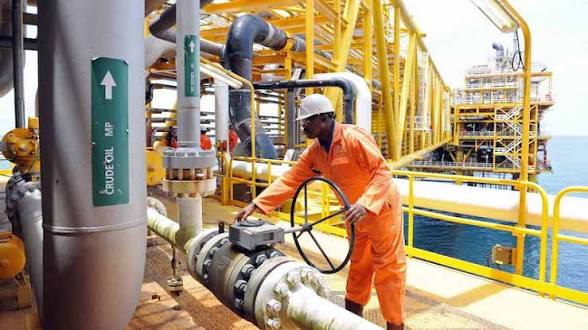
The development comes amid ongoing efforts by the Federal Government and security agencies to protect oil installations and pipelines in the Niger Delta, where crude theft and pipeline vandalism have historically affected Nigeria’s ability to produce and export crude at full capacity.
A report by The PUNCH said the improvement in oil production is being linked partly to the decline in crude theft and increased efforts to secure oil infrastructure. The report also noted that President Bola Tinubu highlighted the reduction in oil theft during his October 1 Independence Day address to Nigerians.
When the Tinubu administration came into office in 2023, Nigeria’s oil industry was facing significant challenges. Production had been affected by crude theft, pipeline vandalism, insecurity and operational difficulties, while the wider economy was dealing with high inflation, pressure on foreign exchange and weak investor confidence.
The decline in crude theft is therefore important because every barrel of oil recovered and successfully produced contributes to government revenue and foreign exchange earnings.
Nigeria remains heavily dependent on crude oil and gas for foreign exchange and government income, meaning developments in the petroleum sector can have a major effect on the wider economy. Higher oil production can provide the government with additional resources to fund infrastructure, public services and other areas of national development.
The improvement has also been associated with stronger security arrangements around oil-producing communities and infrastructure in the Niger Delta. Security companies and other stakeholders have been involved in protecting pipelines and oil facilities, with Tantita Security Services Nigeria Limited among the companies mentioned in efforts to secure oil assets.
The government is hoping that sustained improvements in production will help strengthen Nigeria’s economic position and support the reforms being implemented across the petroleum and broader economic sectors.
The recovery in production also comes at a time when Nigeria is attempting to attract more investment into its oil and gas industry. Investors have continued to watch developments around crude production, security, regulation and the business environment before making long-term commitments.
Higher production alone, however, does not automatically translate into improved living conditions for Nigerians. The country still faces significant economic challenges, including the high cost of food, transportation and other essential goods.
The Nigerian Supreme Council for Islamic Affairs recently called on the Federal Government to accelerate measures aimed at reducing the cost of food and transportation, while also demanding a comprehensive reform of the country’s security architecture.
This means that while stronger oil production could improve government revenue and foreign exchange availability, Nigerians will likely continue to watch how the benefits of increased oil earnings translate into lower economic pressure and better living conditions.
The latest development nevertheless represents an important shift for Nigeria’s petroleum industry. If the reduction in crude theft is sustained and production continues to rise, the country could strengthen its position as a major oil producer while improving revenue generation and attracting fresh investment into the sector.
The major challenge for the government will be maintaining the progress, protecting oil infrastructure, preventing a return to large-scale crude theft and ensuring that increased petroleum earnings contribute meaningfully to Nigeria’s wider economic development.