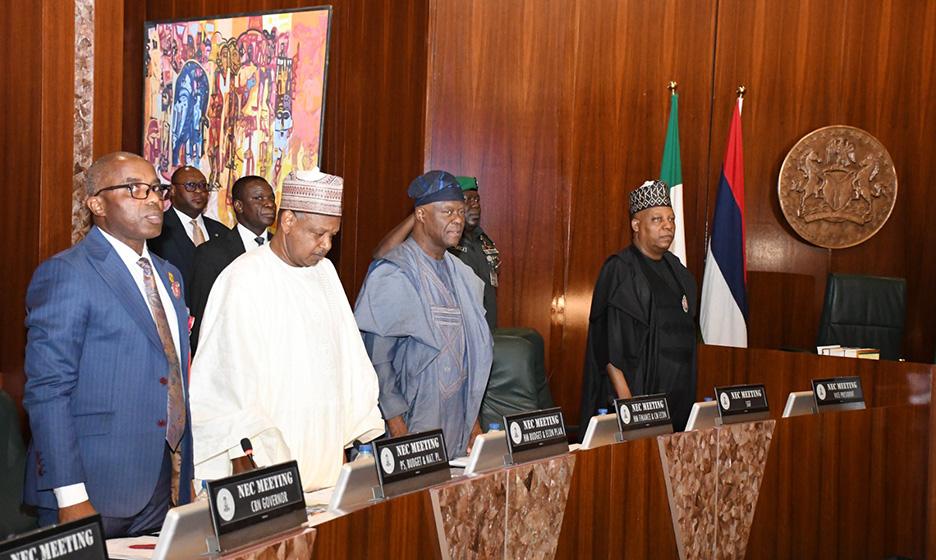
The National Economic Council (NEC) has approved an additional ₦130 billion for the rehabilitation and upgrading of police training institutions across Nigeria, as the Federal Government prepares for the proposed establishment of state police and the recruitment of 50,000 additional officers.
The approval was announced following the council’s 162nd meeting, chaired by Vice President Kashim Shettima on Monday.
The latest allocation brings the total amount committed to the rehabilitation programme to ₦230 billion, following an earlier approval of ₦100 billion for the project.
The funding is expected to support the renovation of existing police training facilities, improve learning environments and provide better infrastructure for training officers who will be responsible for maintaining law and order across the country.
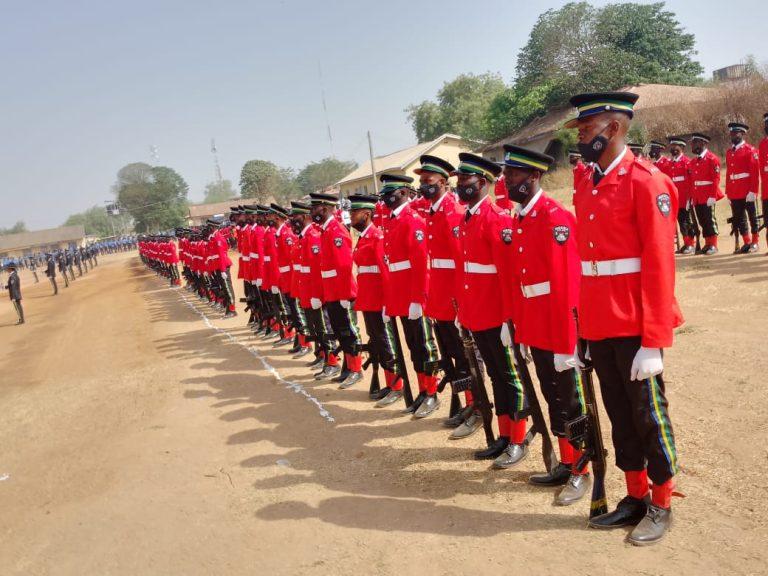
According to information released after the meeting, rehabilitation work is already ongoing at 13 locations nationwide, with approximately 30 per cent of the work completed.
The additional funding is expected to accelerate the ongoing projects and improve the capacity of police institutions to accommodate more recruits.
Why the additional funding matters
The approval comes at a time when Nigeria is considering major changes to its policing structure, particularly the introduction of state police.
The proposed recruitment of 50,000 officers would require adequate training facilities, instructors, accommodation and other resources to prepare new personnel for their responsibilities.
The rehabilitation programme is therefore considered an important part of strengthening the country’s security architecture.
State police have remained a major subject of discussion among political leaders and stakeholders, with supporters arguing that decentralising policing could help states respond more effectively to security challenges within their territories.
However, the establishment of state police also raises questions about funding, accountability, political interference and how the different policing structures would operate together.
Other decisions from the NEC meeting
Beyond the police training allocation, the council also considered two major development projects backed by proposed World Bank financing of $850 million.
The projects are focused on disaster preparedness and early childhood development.
The council also received an economic update indicating that Nigeria’s inflation had declined for the fifth consecutive month, reaching its lowest level since September 2020.
What happens next?
The additional ₦130 billion is expected to support the completion of ongoing rehabilitation projects and prepare police training institutions for the anticipated increase in recruitment.
However, Nigerians will be watching to see how effectively the funds are utilised, whether the rehabilitation work is completed as expected and whether the proposed recruitment translates into improved security across the country.
For a country still dealing with kidnapping, banditry, terrorism and other security challenges, strengthening the capacity of law enforcement institutions remains an important national priority.