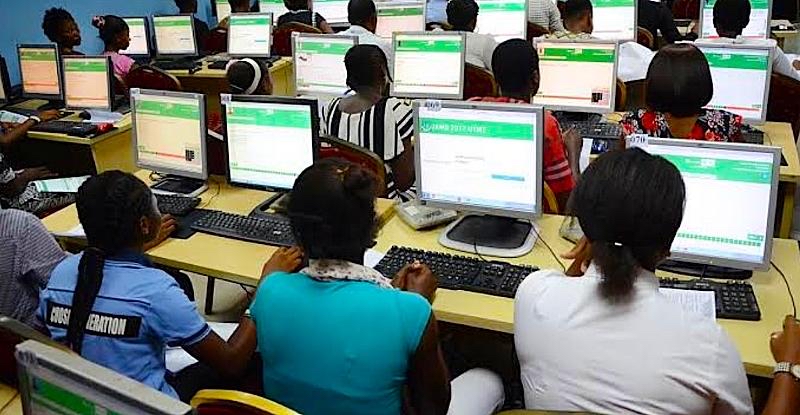
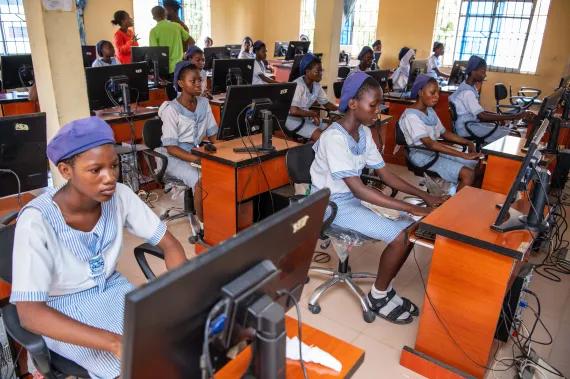
The Federal Government has introduced a new virtual teaching initiative aimed at improving access to quality education for Nigerian pupils, particularly those attending schools with limited access to qualified teachers.
The programme is designed to connect pupils with teachers through online learning platforms, allowing students to receive lessons remotely and access educational support beyond the traditional classroom environment.
As part of the initiative, the government is also providing free internet data to support participation and reduce the financial challenges associated with online learning.
The development is expected to benefit students in underserved communities, where shortages of qualified teachers and inadequate learning facilities continue to affect educational standards.
The initiative is expected to address some of the challenges affecting the Nigerian education system, including the shortage of qualified teachers, unequal access to learning resources and the difficulties faced by pupils in rural and underserved communities.
The government believes that technology can help bridge the gap between schools with adequate teaching facilities and those struggling with limited educational resources.
However, the success of the programme will depend on reliable internet access, electricity supply, availability of digital devices and the ability of pupils to use online learning platforms effectively.
Education stakeholders have continued to stress that digital learning should complement, rather than replace, physical classroom teaching. They also emphasise the importance of training teachers to adapt to technology-based methods of instruction.
The free data provision is particularly important because the cost of internet access remains a challenge for many Nigerian families.
If properly implemented, the programme could provide more pupils with access to qualified teachers, improve learning opportunities and support the government’s wider efforts to modernise the education sector.
The initiative is expected to form part of Nigeria’s growing investment in digital education and the use of technology to improve learning outcomes.