The Lagos State Government has set a target of achieving 3,000 megawatts (MW) of electricity supply by March 2027 as it continues efforts to improve power availability for residents, businesses and industries across the state.
The target was reported by Premium Times on October 11, 2026, amid ongoing discussions about how Lagos can strengthen its electricity infrastructure and provide a more dependable power supply to support its growing population and commercial activities.
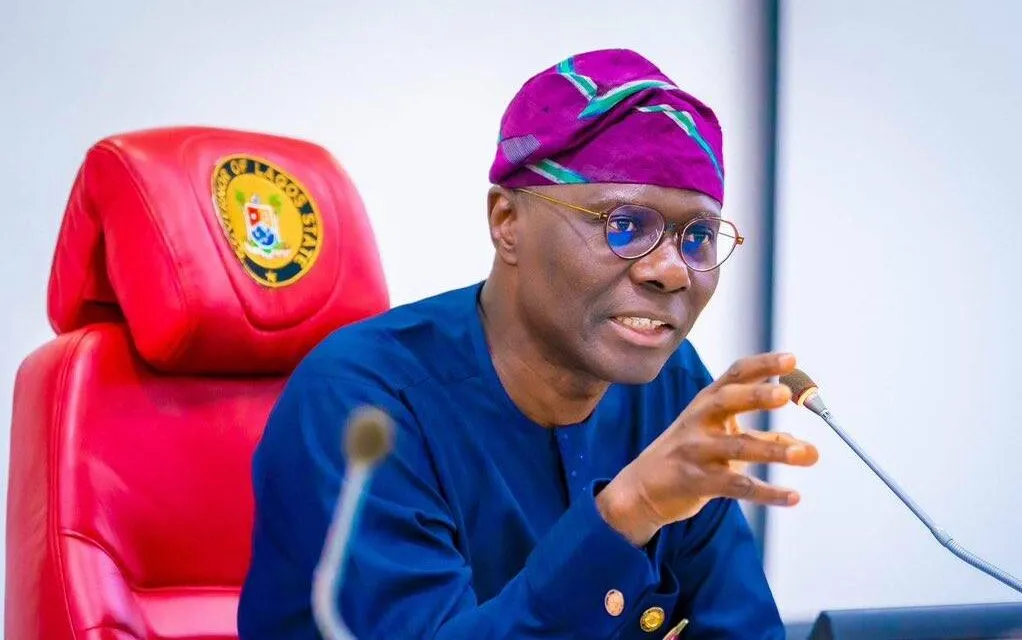
Governor Babajide Sanwo-Olu, who announced the target at the fourth Lagos Business School Africa Energy Conference, said the state intends to mobilise approximately 2,000MW of additional electricity through a combination of national grid supplies, independent power projects, energy hubs, power barges, energy traders and embedded generation. His deputy, Obafemi Hamzat, represented him at the conference.
The proposed expansion is significant because Lagos is Nigeria’s commercial centre, hosting thousands of businesses, manufacturing facilities, markets, offices and residential communities that depend on a reliable electricity supply. Persistent power shortages have forced many households and companies to rely on petrol and diesel generators, increasing their daily operating expenses.
Under the plan, the state intends to strengthen electricity generation while improving transmission and distribution infrastructure. This includes upgrading substations, reinforcing distribution networks and expanding access to electricity meters. The government also plans to improve the supply of gas to power plants, which remains an important requirement for maintaining consistent electricity generation.
Another aspect of the programme involves introducing digital monitoring systems to improve transparency and accountability. The proposed technologies include Supervisory Control and Data Acquisition (SCADA) systems, Advanced Metering Infrastructure (AMI) and the Lagos Electricity Intelligence Platform. These tools are expected to help operators monitor electricity flows, identify problems and improve the management of the state’s power market.
The government is also seeking greater participation from private investors, financial institutions, energy companies and development partners. By creating a more structured electricity market, Lagos hopes to attract the funding needed to develop additional power generation facilities and strengthen the infrastructure required to deliver electricity to consumers.
The state’s renewable energy programme is also progressing. Sanwo-Olu reported that approximately 42,000 of the 50,000 streetlights earmarked for solarisation had been completed. Solar installations had also been carried out in 175 public schools, with work continuing in another 100 schools.
However, achieving more than 3,000MW by March 2027 will require substantial investment and effective coordination across the electricity value chain. Increasing the amount of power generated alone will not solve the problem if transmission networks, distribution companies and other infrastructure cannot deliver that electricity reliably to consumers.
For residents, the key question is whether the proposed expansion will translate into fewer blackouts, more predictable electricity supply and reduced dependence on generators. Businesses will also be watching to see whether improved power availability can lower operating costs and support expansion.
If successfully implemented, the plan could strengthen Lagos’s position as a major commercial hub, encourage investment and support employment across different sectors. Nevertheless, the March 2027 deadline remains a target, and its success will depend on how quickly the proposed projects are delivered.