
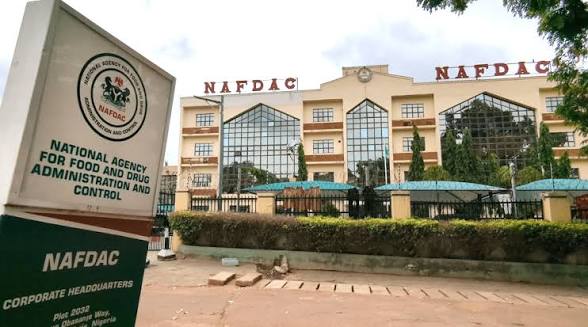
The National Agency for Food and Drug Administration and Control (NAFDAC) has raised concerns over the presence of dangerous agricultural chemicals in Nigeria’s food supply following reports of toxic pesticides found in beans and the seizure of banned chemicals valued at approximately ₦800 million.
The development has renewed attention on food safety, particularly the handling, storage and transportation of agricultural produce consumed by millions of Nigerians daily.
According to reports published by Vanguard on October 10, 2026, the agency’s enforcement activities form part of efforts to prevent unsafe chemicals from entering the food chain and protect consumers from substances that may pose serious health risks.
Beans are an important source of protein in Nigerian households and are widely consumed across the country. However, concerns about the misuse of pesticides and chemicals during storage have continued to raise questions about the safety of some food products sold in markets.
Concerns over chemical use in food preservation
Agricultural chemicals are used to control insects and other pests that damage crops during production and storage. When approved products are used correctly and according to their instructions, they can help farmers reduce losses and protect their harvests.
Problems arise when prohibited chemicals are used, when pesticides intended for other purposes are applied to food, or when chemicals are used in excessive quantities. Such practices can leave harmful residues on food products and expose consumers to substances they should not ingest.
Beans and other grains may be particularly vulnerable to improper chemical treatment during storage because traders and warehouse operators sometimes attempt to prevent insect infestation and preserve their stock for longer periods.
Food safety authorities have repeatedly warned that chemicals must only be used for their approved purposes and in line with established safety requirements.
Why the seizure matters
The reported seizure of banned chemicals worth ₦800 million highlights the scale of the challenge facing regulators responsible for monitoring the importation, distribution and use of potentially dangerous substances.
Enforcement operations are intended to remove prohibited products from circulation, identify those responsible for supplying them and discourage further violations of food and chemical safety regulations.
However, the effectiveness of such operations also depends on continued surveillance of markets, warehouses, distribution centres and other locations where agricultural chemicals are sold or stored.
Authorities must also ensure that farmers, food merchants and warehouse operators understand which products are permitted and the risks associated with improper chemical handling.
Potential health risks
Exposure to certain pesticides can cause serious health problems, depending on the substance involved, the amount consumed and the duration of exposure. Some chemicals can cause acute poisoning, while repeated or prolonged exposure to particular substances may contribute to longer-term health complications.
The discovery of unsafe chemicals in the food supply is therefore a concern not only for consumers but also for farmers, food processors and businesses involved in the agricultural value chain.
Consumers are advised to purchase food from reliable sources, maintain good food hygiene and wash and cook beans properly. However, washing or cooking cannot be relied upon to remove every pesticide residue or make food contaminated with a highly toxic chemical safe.
Anyone who suspects pesticide poisoning after eating food should seek urgent medical attention.
What this means for Nigeria’s food supply
Nigeria depends heavily on agriculture for food security, employment and economic activity. Ensuring that agricultural products are safe is essential to protecting public health and maintaining confidence in locally produced food.
Stronger monitoring, effective enforcement and public education could help reduce the misuse of chemicals while encouraging safer storage and food-handling practices.
The latest development also highlights the importance of cooperation among regulators, farmers, market associations, food processors and chemical distributors.
While enforcement operations can help remove dangerous products from circulation, preventing contamination before food reaches consumers remains critical.
NAFDAC’s reported action serves as a reminder that food safety requires continuous attention, particularly where chemicals are involved in the production, preservation and storage of everyday food items.