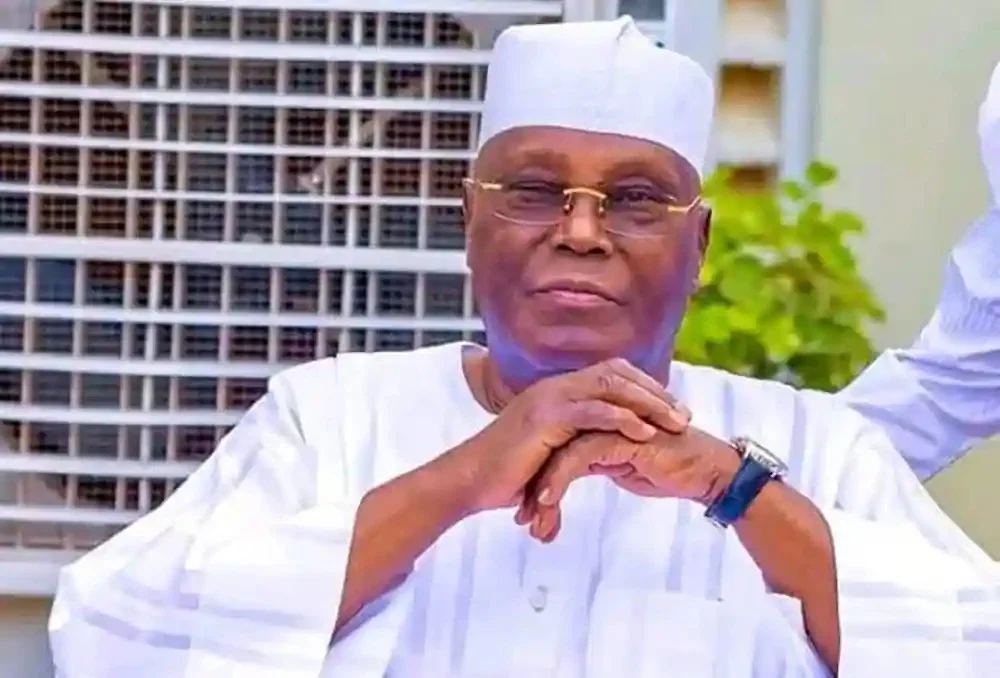
\n\nFormer Vice President and African Democratic Congress (ADC) presidential candidate, Atiku Abubakar, has proposed a new model for fuel subsidy if elected president in the 2027 presidential election, promising to reduce petrol prices while supporting domestic refining.
Atiku said his proposed system would be different from Nigeria’s previous subsidy regime. Rather than subsidising imported petrol, his plan would focus on domestic fuel production, with the subsidy targeted, capped, transparently budgeted and independently audited. His team said the aim is to reduce energy costs for Nigerians while encouraging local refining.
Atiku also questioned what happened to the financial savings from the removal of the petrol subsidy in 2023. He argued that Nigerians should be able to see clear evidence of how the money saved from the policy has been used, particularly in areas such as healthcare, education and infrastructure.
The proposal has, however, triggered a strong response from the Presidency.
President Bola Tinubu criticised Atiku’s position, describing the promise to restore subsidy as evidence of what he called “serious ignorance” of governance and the economy. Tinubu argued that returning to subsidy would undermine the economic reforms implemented by his administration since 2023.
The Presidency and sections of the organised private sector have also rejected Atiku’s proposal, while labour groups have expressed differing views on the idea.
Atiku’s proposal has therefore opened a fresh political and economic debate over fuel prices, subsidy policy and how Nigeria should manage its petroleum resources ahead of the 2027 election.