
\n\n
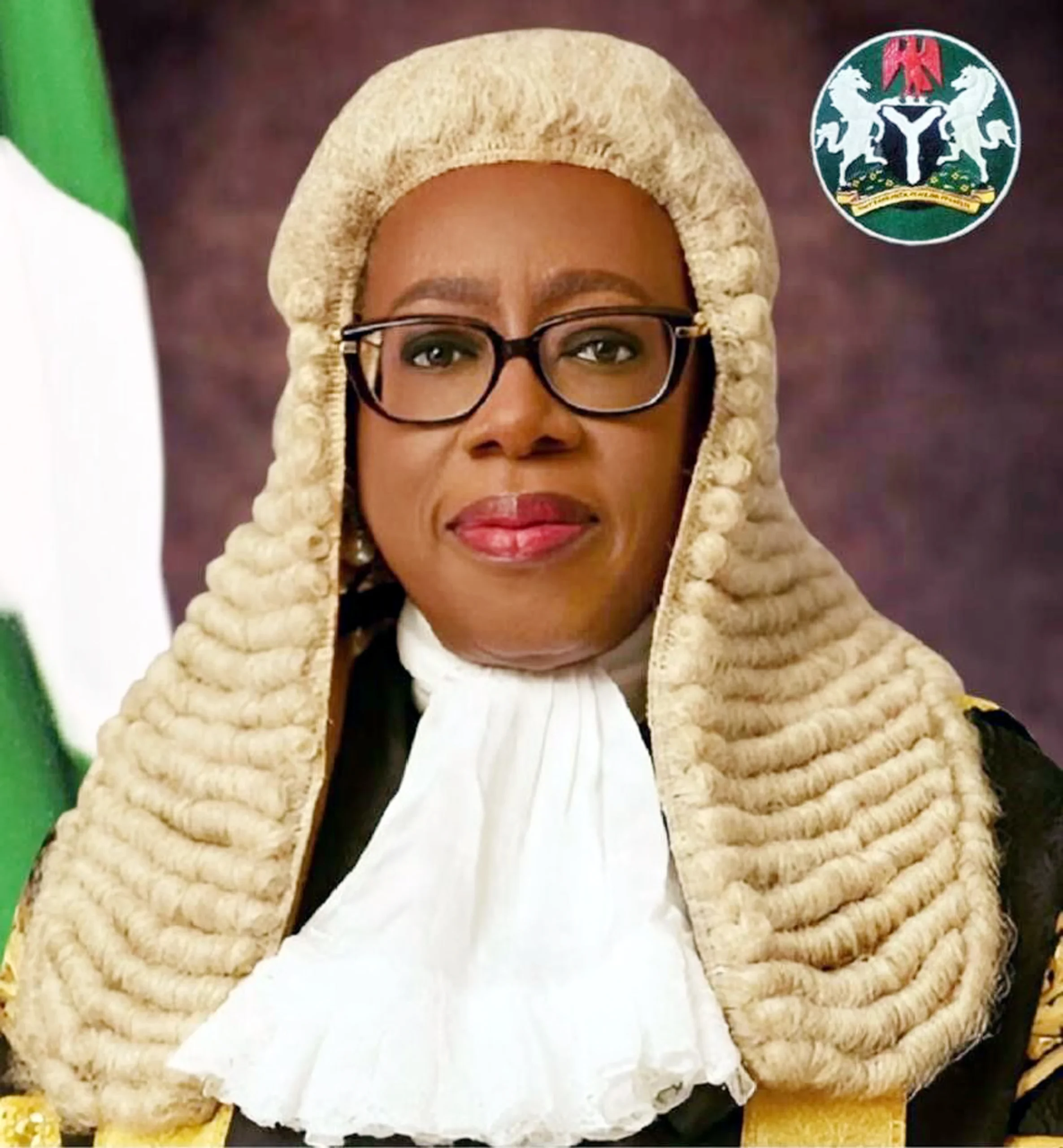
The Nigerian Law Society has rejected the directive of the Chief Justice of Nigeria, Justice Kudirat Kekere-Ekun, directing lawyers and court officials to stop using “Barrister” as a prefix before their names in official engagements. The directive was contained in a memorandum dated July 13, 2026, and signed by the Chief Registrar of the Supreme Court, Kabir Akanbi. It instructed legal practitioners, litigation staff and court registrars to discontinue the use of the designation and instead adopt “Esquire” or other recognised forms of identification, with the measure described as an effort to uphold professional standards at the apex court.
However, the Nigerian Law Society, through its Executive Director, Dr Tonye Jaja, argued that there is no clear legal basis for prohibiting lawyers from using “Barrister.” The society maintained that the Legal Practitioners Act recognises “Barrister” and “Solicitor of the Supreme Court of Nigeria” as professional designations applicable to lawyers called to the Nigerian Bar. The position contrasts with arguments from some senior lawyers who have supported the CJN’s directive, saying Nigerian law recognises legal practitioners as barristers and solicitors rather than conferring “Barrister” as an honorific title.
The controversy has therefore opened a wider debate within Nigeria’s legal profession over professional titles, established practice and the authority of the Supreme Court to regulate how lawyers identify themselves in official records. Supporters of the directive argue that it merely reinforces existing professional standards and prevents the use of “Barrister” as a prefix, while the Nigerian Law Society maintains that the restriction is not supported by existing legislation. The disagreement is likely to generate further discussion among lawyers and professional bodies, particularly as the legal profession continues to review the rules governing the conduct and identification of practitioners.