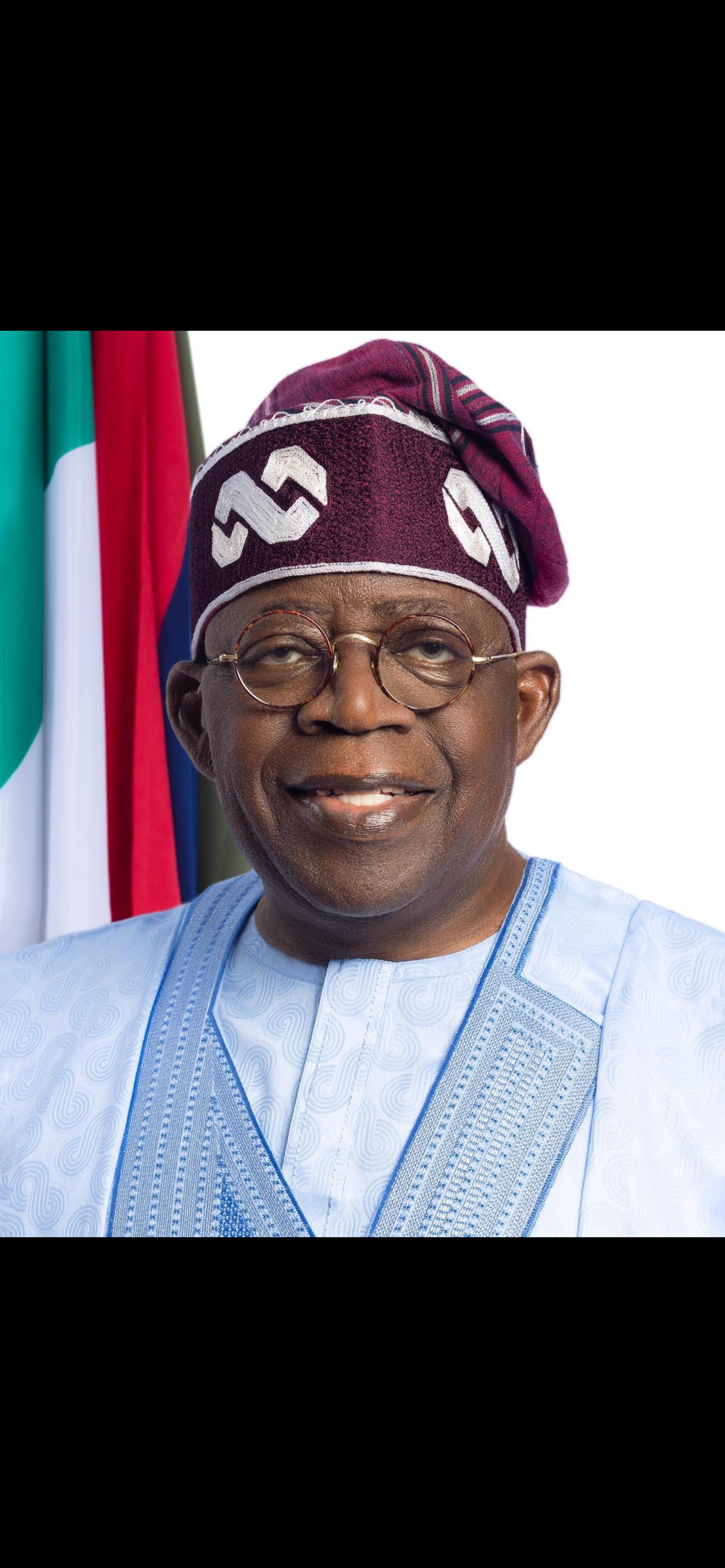
\n\nPresident Bola Ahmed Tinubu has announced plans to more than double the economic contribution of Nigeria’s livestock sector, currently estimated at about $32 billion annually, as part of efforts to strengthen agriculture, create jobs and expand the country’s non-oil economy.
The President disclosed this on Monday while highlighting the administration’s renewed focus on livestock development. According to reports, the Federal Government is targeting an expansion of the sector’s contribution to approximately $64 billion, with increased investment and improved value chains expected to drive the growth.
The livestock industry covers areas including cattle, poultry, sheep, goats, dairy production, meat processing and other related agricultural businesses. Government officials believe that developing these areas could provide additional income opportunities for farmers and businesses while strengthening domestic food production.
The proposed expansion is also expected to encourage greater private-sector participation, improve productivity and support the development of processing facilities that can add more value to livestock products before they reach the market.
The Federal Government has increasingly identified agriculture and other non-oil sectors as important components of its economic diversification strategy. The livestock plan is therefore being positioned as part of broader efforts to increase domestic production and reduce Nigeria’s dependence on imports.
If successfully implemented, the initiative could create new opportunities across farming, transportation, processing, manufacturing and food distribution while contributing significantly to Nigeria’s overall economic growth.
The Tinubu administration says its objective is to build a more productive agricultural sector capable of generating employment, increasing incomes and contributing substantially to Nigeria’s long-term economic development.