\n\n
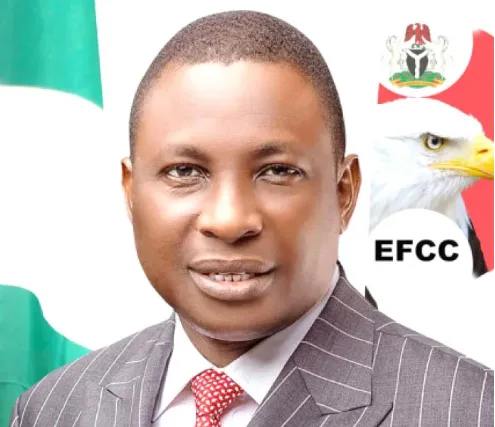
The Economic and Financial Crimes Commission (EFCC) Chairman, Ola Olukoyede, has come under intense public criticism following President Bola Tinubu’s directive ordering the anti-graft agency to vacate a court order freezing the Osun State Government’s bank accounts. The EFCC had obtained the order as part of an investigation into the alleged diversion of about ₦11 billion in Ecology Funds, Intervention Funds and Federal Account Allocation Committee (FAAC) allocations. However, Tinubu intervened, describing the timing of the action—just days before the August 15 Osun governorship election—as inappropriate and capable of undermining public confidence in the electoral process.
The President stressed that although he supports the EFCC’s constitutional mandate to investigate financial crimes, no action by a federal institution should create the impression that the government is attempting to influence an election. Following the reversal, political parties, civil society groups and many Nigerians criticised the commission’s decision, with some calling for greater accountability within the agency. The Accord Party went further by demanding the resignation of EFCC Chairman Olukoyede, arguing that the controversy had embarrassed the Presidency and raised concerns about the commission’s judgment.
Despite the backlash, the EFCC has maintained that the account freeze was carried out lawfully and was based solely on ongoing investigations into suspected financial irregularities, insisting that the action was not politically motivated. The Osun State Government has continued to deny any wrongdoing, while welcoming the President’s intervention as a move that would protect democratic integrity ahead of the election. The development has sparked wider debate over the balance between anti-corruption enforcement and ensuring that investigative actions do not undermine public confidence in Nigeria’s electoral process.