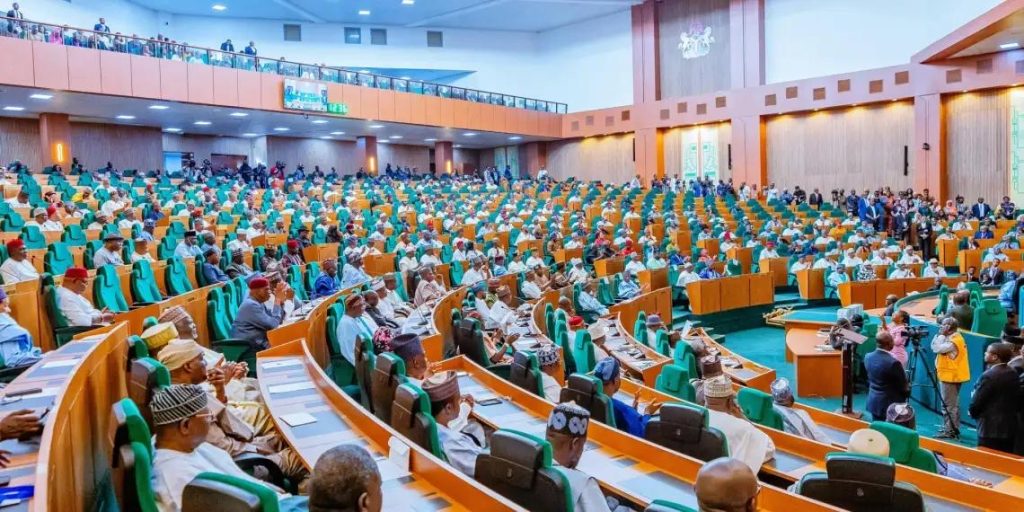
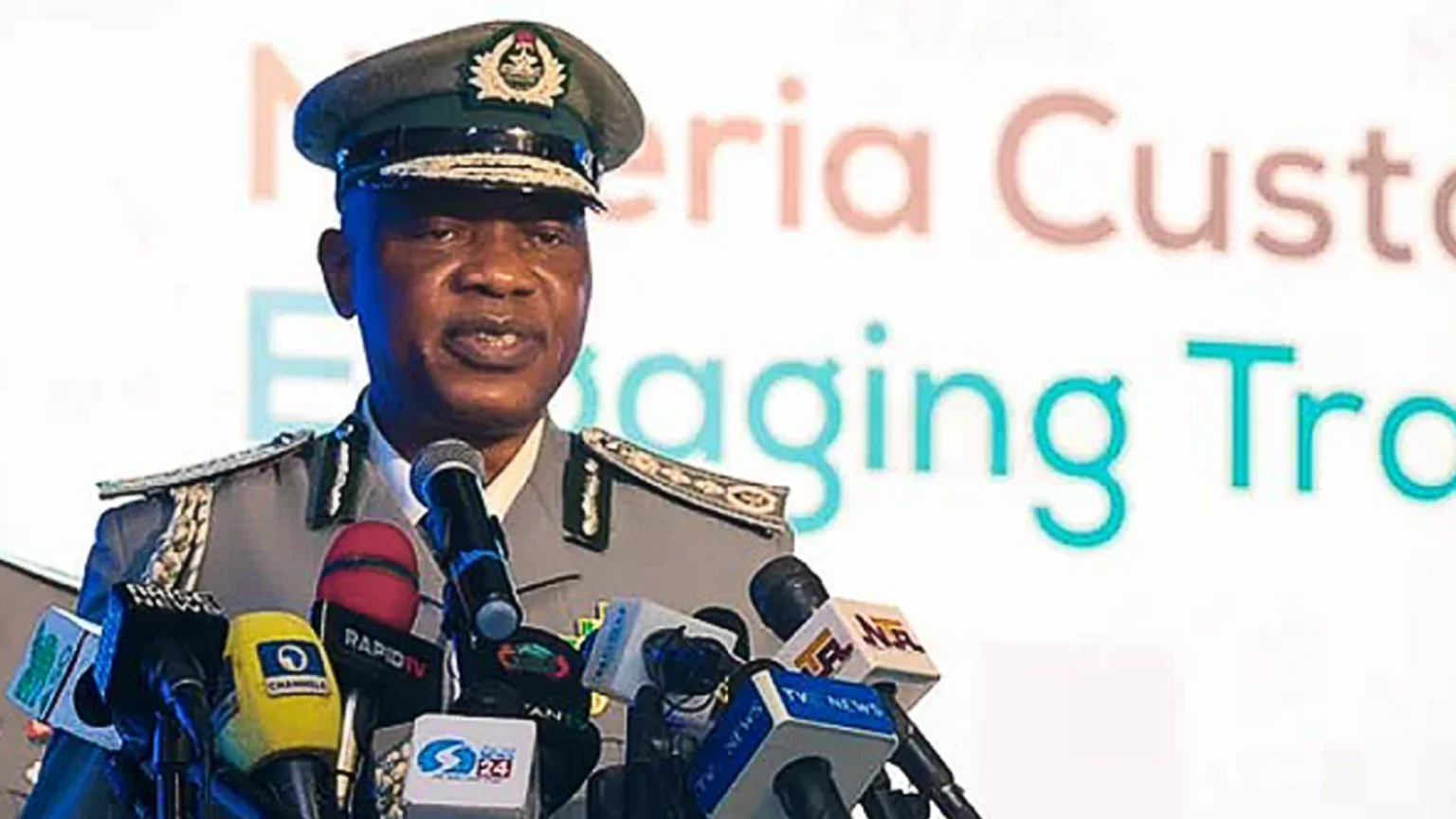
\n\nThe Nigeria Customs Service (NCS) has announced an ambitious ₦11.07 trillion revenue target for the 2026 fiscal year, expressing confidence that ongoing reforms, automation, and improved trade facilitation will enable the agency to achieve the goal despite recent reductions in import duties on vehicles. The announcement was made by the Comptroller-General of Customs, Adewale Adeniyi, during the agency’s budget defence before the Senate and House of Representatives Committees on Customs and Excise at the National Assembly in Abuja.
According to Adeniyi, the projected revenue will come from several key sources. These include approximately ₦5.54 trillion from the Federation Account, ₦1.49 trillion from non-Federation accounts, ₦2.27 trillion from Import Value Added Tax (VAT), and about ₦1.26 trillion from the four per cent Free-on-Board (FOB) levy. He explained that the projection reflects the agency’s determination to improve revenue generation while supporting legitimate trade and economic growth.
The Customs boss also revealed that the Federal Government recently approved a reduction in import duties on vehicles as part of its 2026 fiscal measures. Under the revised tariff structure, the duty on used vehicles has been reduced from 15 per cent to 5 per cent, while the rate for brand-new vehicles has been lowered from 20 per cent to 10 per cent. Although the policy is expected to reduce the cost of vehicle imports for businesses and consumers, Adeniyi acknowledged that it could also affect Customs revenue.
To offset the impact of the tariff reductions, the Nigeria Customs Service plans to deepen automation through its Unified Customs Information System (B’Odogwu), expand intelligence-led enforcement, strengthen post-clearance audits, and improve trade facilitation. Adeniyi said these reforms are expected to reduce leakages, enhance transparency, improve cargo processing, and increase compliance among importers and exporters. He added that technology will remain central to the agency’s strategy for boosting efficiency and revenue collection.
The Comptroller-General further disclosed that the Service exceeded its 2025 revenue target, generating approximately ₦7.28 trillion, about 10.24 per cent above its original projection. As of 31 May 2026, Customs had already generated ₦4.43 trillion, giving the agency confidence that it is on track to meet or even surpass its latest target despite prevailing global economic uncertainties. Lawmakers commended the Service for its recent performance and expressed optimism that the proposed revenue goal is achievable if current reforms are sustained.
Economic analysts believe the success of the revenue target will depend on effective implementation of digital reforms, improved border management, and stronger collaboration between Customs and other government agencies. They also note that balancing revenue generation with policies that encourage trade and lower business costs will be crucial to supporting Nigeria’s economic growth. If achieved, the ₦11.07 trillion target would represent another record-breaking performance for the Nigeria Customs Service and further strengthen government revenue at a time of increasing fiscal demands.