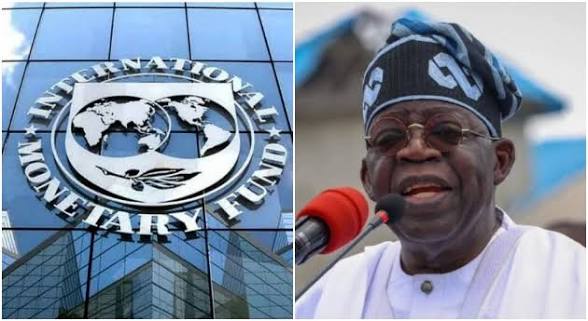
\n\nThe International Monetary Fund (IMF) has called for stronger fiscal transparency and prudent public financial management as Nigeria continues implementing economic reforms aimed at stabilising the country’s economy and attracting greater investment.
While acknowledging progress made through recent reforms, the IMF stressed that improving accountability in government spending remains essential to sustaining investor confidence and strengthening economic resilience. The organisation noted that clearer reporting of public finances would enhance transparency, improve policy credibility, and support long-term fiscal sustainability.
In its recent assessment of Nigeria’s economy, the IMF recognised improvements in macroeconomic stability following key policy reforms undertaken over the past few years. These include efforts to strengthen the foreign exchange market, improve revenue generation, and reduce fiscal imbalances.
However, the Fund also pointed out that many Nigerians continue to face economic hardship due to inflation, rising living costs, and food insecurity. It encouraged authorities to complement ongoing reforms with stronger social protection programmes designed to cushion vulnerable households from the impact of higher prices while maintaining fiscal discipline.
Economic experts believe transparency in public expenditure is increasingly important as Nigeria seeks additional foreign investment and development financing. Clear financial reporting not only reassures international partners but also strengthens public confidence in government institutions.
The IMF further advised Nigeria to continue broadening its tax base, improving revenue collection, and creating an environment that encourages private sector growth. Analysts say achieving these objectives could help reduce reliance on borrowing while providing more resources for infrastructure, healthcare, education, and other essential public services.
As Nigeria pursues ambitious economic transformation plans, the coming months are expected to test the effectiveness of ongoing reforms and determine whether recent policy changes translate into meaningful improvements in the lives of citizens.