
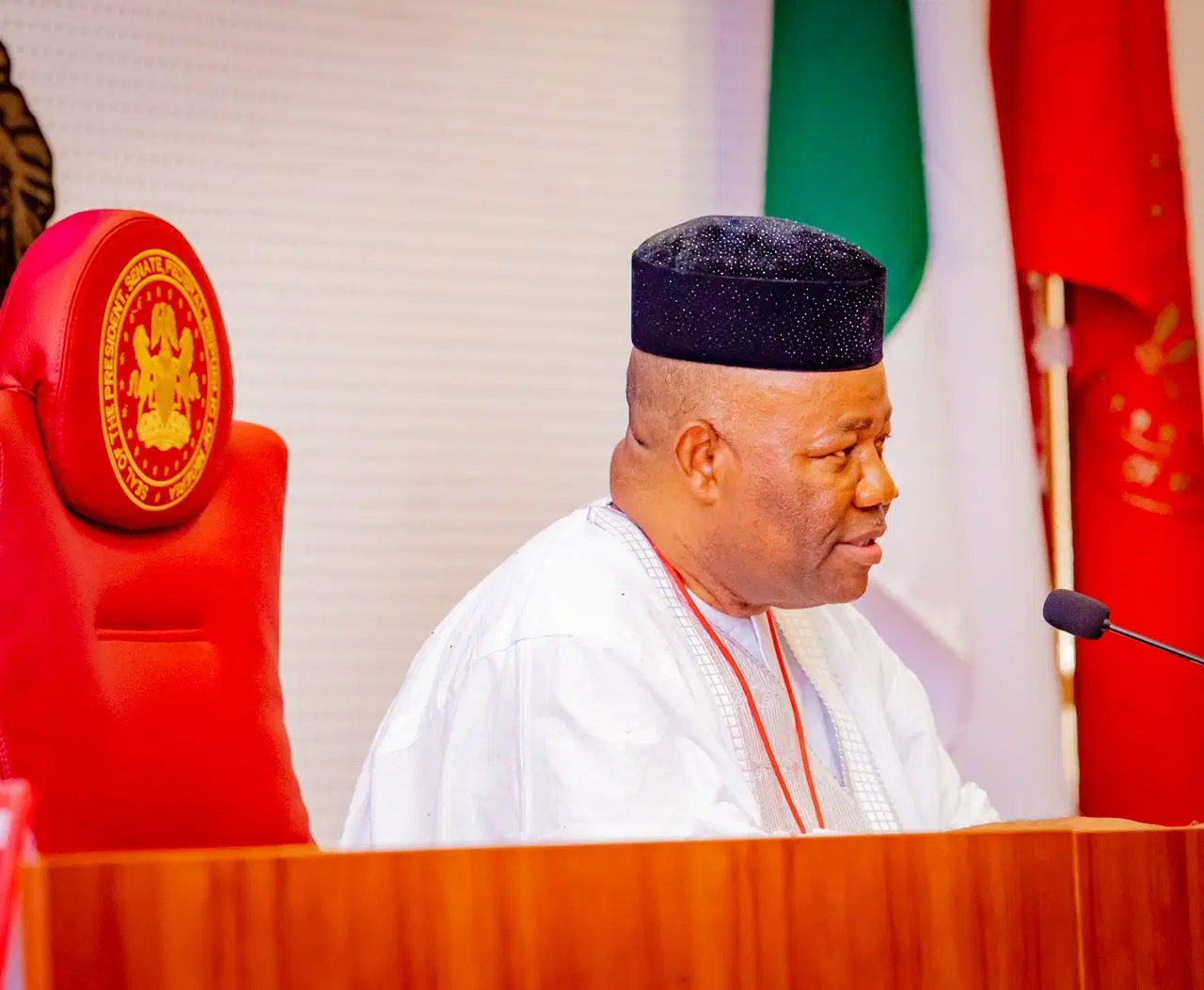
\n\nNigeria moved closer than ever to creating state police forces after the Senate on Wednesday passed a long-debated constitutional amendment bill aimed at decentralising the country’s policing structure.
The passage of the bill, which requires a two-thirds majority in both chambers of the National Assembly, represents a breakthrough in efforts to address Nigeria’s worsening security challenges, including terrorism, banditry, kidnapping, and communal violence.
Following the Senate’s approval, both chambers of the National Assembly have now backed the proposal. The reform now hinges on approval by at least 24 state Houses of Assembly before it can be enacted into law.
The amendment seeks to establish state-controlled police services that will operate alongside the existing Nigeria Police Force, creating a dual policing framework for the federation.
Key Provisions of the Bill
Under the proposed changes, state governors will have the power to appoint Commissioners of Police for their states, subject to confirmation by the respective state Houses of Assembly. While the federal police will continue to be headed by the Inspector-General of Police, each state police service will be led by its own Commissioner.
Senate Leader Senator Opeyemi Bamidele, who led the debate, described the bill as a carefully balanced framework that grants states greater autonomy while preserving national cohesion.
“State police will handle enforcement of state laws, maintenance of public safety and order, prevention and detection of crimes, and protection of lives and property within their jurisdictions,” Bamidele explained.
The federal police, on the other hand, will focus on national security matters such as protecting federal institutions, counter-terrorism, organised crime, cybercrime, border security, arms trafficking, and interstate criminal activities.
Safeguards Against Abuse
Lawmakers incorporated several safeguards to address concerns that state police could be misused for political purposes. One key provision states that a state Commissioner of Police shall not arrest, detain, investigate, or deploy force against any person, political party, or group solely for criticising the government, except in accordance with the law.
The National Assembly will also set minimum national standards for recruitment, training, discipline, use of force, accountability, and professional conduct across all state police services.
Federal intervention in state security matters will only be permitted in cases of outright breakdown of public order, when state police are unable to function, serious violations of fundamental rights, electoral intimidation, or threats to national security. Such interventions would require presidential authorisation and remain subject to Senate oversight and judicial review.
Long-standing Debate
The push for state police has been a recurring and contentious issue since the Fourth Republic began in 1999. Supporters argue that a centralised federal police system is ill-suited for a country of over 200 million people with diverse security challenges. They believe locally recruited officers will have better community intelligence, cultural understanding, and responsiveness.
State governments already commit substantial resources to support federal security operations and have long demanded greater control over policing within their jurisdictions.
Critics, however, have warned that powerful governors could weaponise state police against political opponents, critics, and opposition parties — concerns that have previously stalled similar constitutional amendments.
The successful passage in the Senate, achieved through manual voting after electronic glitches, signals strong political momentum for the reform.
This development is widely seen as one of the most consequential constitutional changes in Nigeria’s recent history, with the outcome now resting in the hands of the state legislatures.