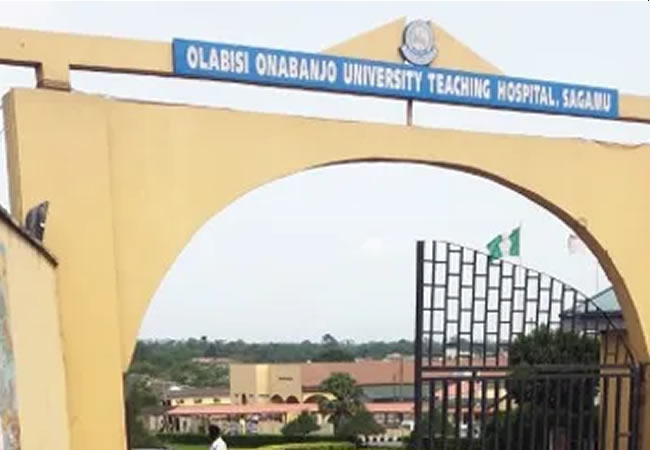
\n\nIn a significant development for healthcare delivery in Ogun State, the Association of Resident Doctors (ARD) at the Olabisi Onabanjo University Teaching Hospital (OOUTH) has suspended its 10-day warning strike that began on Tuesday, June 23, 2026.
The industrial action, which had paralysed services at the teaching hospital, was called off after intensive negotiations between the doctors’ union, hospital management, and state government representatives. Doctors have been directed to resume duties by 8:00 a.m. on Thursday, June 25, 2026.
The strike was triggered by several long-standing grievances, including the non-payment of revised Professional Allowance and Specialist Allowance, acute manpower shortages, delayed release of the 2026 Medical Residency Training Fund (MRTF), and deteriorating welfare conditions for medical personnel. During an emergency congress attended by over 385 doctors, members unanimously ratified the warning strike after a 14-day ultimatum to the authorities expired without a signed Memorandum of Understanding (MoU).
Key Demands and Negotiations
In a statement issued by the ARD President, Dr. A.J. Omotoso, the union had highlighted how these unresolved issues were affecting morale, training, and the overall quality of patient care at OOUTH. The doctors demanded immediate payment of outstanding allowances to be reflected in the July 2026 salary, full implementation of the revised rates, and urgent steps to address staffing deficits that have left many departments overburdened.
Hospital management and Ogun State officials engaged in round-the-clock dialogues over the past 48 hours. Sources close to the negotiations indicated that partial commitments were made on allowance payments and training funds, with assurances of further discussions on manpower recruitment and welfare packages. Both sides described the outcome as a “win-win” that prioritises uninterrupted healthcare services while addressing core worker concerns.
A senior ARD official, who spoke on condition of anonymity, expressed cautious optimism: “We have suspended the strike in good faith. We expect the government and management to honour the agreements reached. Our members remain committed to serving the people of Ogun State, but we will not hesitate to resume action if promises are not fulfilled.”
Impact on Patients and the Health Sector
The brief strike had caused significant disruption at OOUTH, one of the major tertiary health facilities in Southwest Nigeria. Patients with critical conditions, elective surgeries, and outpatient appointments were affected, with many redirected to other hospitals in Abeokuta and Lagos. This latest episode adds to a pattern of recurring industrial actions in Nigeria’s health sector, driven by systemic issues such as funding shortfalls, delayed salaries, and poor working conditions.
Medical experts warn that frequent disruptions contribute to brain drain, as many Nigerian doctors seek better opportunities abroad. OOUTH, like other teaching hospitals, plays a crucial role in medical training and specialist care, making resolving this dispute particularly important for regional health outcomes.
Broader Context
This development comes amid nationwide conversations about healthcare reform under the current administration. The Nigerian Association of Resident Doctors (NARD) has been vocal about similar challenges across federal and state institutions. Stakeholders, including the Nigerian Medical Association (NMA), have called for a comprehensive review of doctors’ remuneration and working environments to prevent future crises.
Ogun State Governor Dapo Abiodun’s administration has previously been praised for interventions in the health sector, including infrastructure upgrades at OOUTH. The swift resolution of this warning strike may signal a proactive approach to labour relations in the state.
As services resume, hospital authorities have appealed to patients for understanding and urged them to return for scheduled appointments. The ARD has also pledged to monitor compliance with the agreement and keep members informed.
This suspension provides temporary relief but underscores the urgent need for sustainable solutions to Nigeria’s healthcare workforce challenges. Observers will be watching closely to see if the agreements translate into tangible improvements in the coming weeks and months.